Waiting for the Water

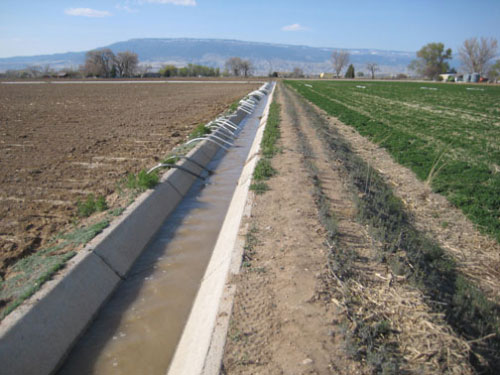
Permanent ditches are lined with concrete to eliminate one source of water loss and increase the conveyance efficiency of the water (the efficiency of the water delivery system).  Water losses from open, unlined ditches may be as high as 60% from seepage, evaporation, and water used by weeds in or along the ditches.


Ditch riders try to “foresee” problems that could occur during their 6 a.m. to 2 p.m. shifts, for the water runs higher at night. The water association has 16 ditch riders who work the six-day shifts from April 1 to Nov. 1, while the ditches are in use.


We have a really good ditch rider his coverage area is 54 miles along California Mesa, including 26 lateral canals, several users and about 150 pumps. With estimates about 75 of those pumps are illegal.

WATER the Cause of Joy and Misery

Pump enforcement

The Uncompaghre Water Association is taking action to crack down on unregistered pumps this spring, not so much for revenue but accountability.

It’s the water. And if the ditch company doesn’t account for the unregistered pumps, then that water appears to be unused and not put to a beneficial use. Beneficial use is a big part of water rights.

People on the Front Range, Nevada and California watch Western Colorado water use.

This year, ‘tattle-tale’ meters have been placed on the delivery ditches to account for the water. If there’s water that’s not being used, then that water must go to another state. Farmers and other people who are paying for the pumps, are carrying the load for those who have not been paying.

Most people with unregistered pumps are residential users who use the water to irrigate landscaping and gardens. The annual registration fee for such application is $165 and can be paid at the UVWUA office at 601 North Park Avenue. Enforcement is to begin in mid-May.

“After we start water, if they haven’t registered their pump we’re gonna notify them and they’ll have 10 days to come in and take care of it. And after that then we will remove their pump from the ditch (for noncompliance),” Catlin said. (Catlin is the manager of the Uncompahgre Valley Water Users Association. I quoted him from the Montrose Daily Press.)

Our farm’s water, leaves our farm and goes to the next farm just across the road. Irrigation water is NOT ever wasted. Now there are even more rules to help keep tabes on the amount of water going to the Colorado River.
 

Water, Wind, and Trash

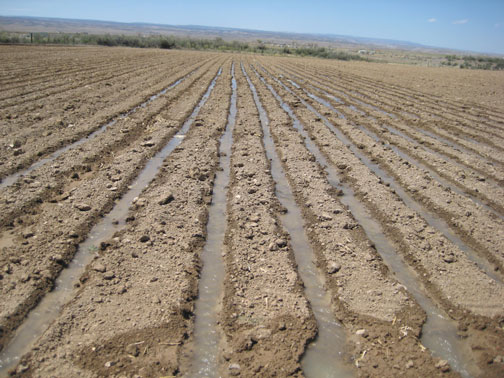
Terry started the water, what a mess with all of the wind and trash and wind and trash, oh, yes, I said that.  You can see my hair blowing madly about!

The foaming white spots are trash in the furrows.  We walk down each furrow knocking out the trash so the water will make it to end of the field.


Waiting for Water

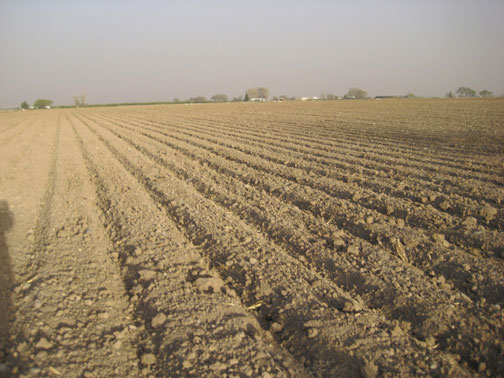
In spite of the weather, Terry got the marking done on the corn fields.  We should start water any day now!

Leveling the Field so the Water Will Flow Downhill

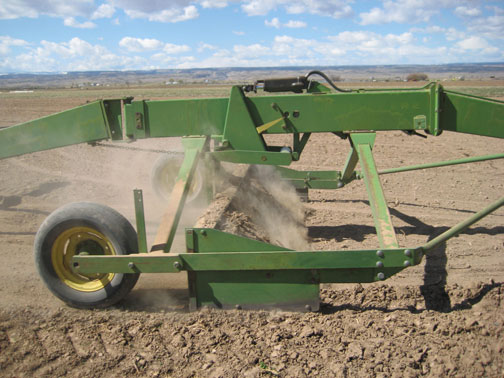
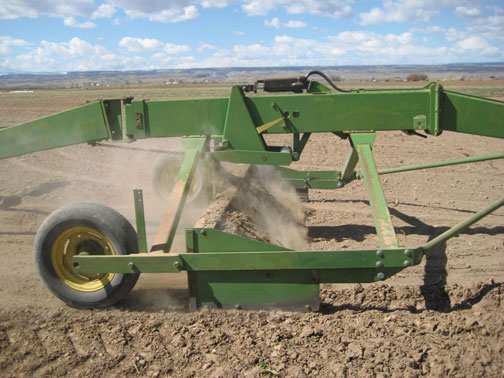
Just about done with the spring tractor work, leveling is getting everything ready for the fertilizer, and then marking out the rows. 

After that we start water, wait for the ground to dry up (some) and plant.  But the spring work is over, once we get to the leveling part.


Still No Water in the Canal

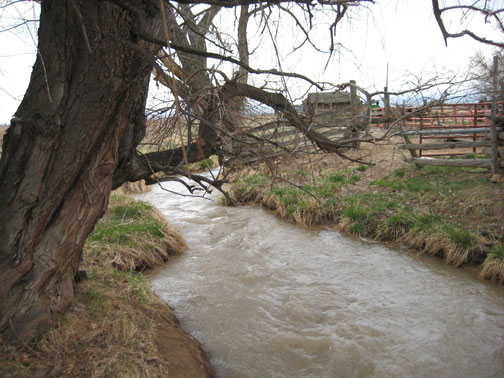
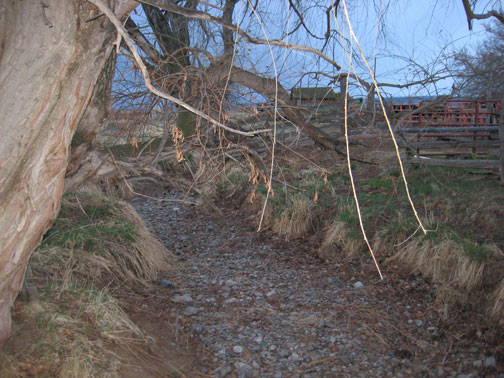
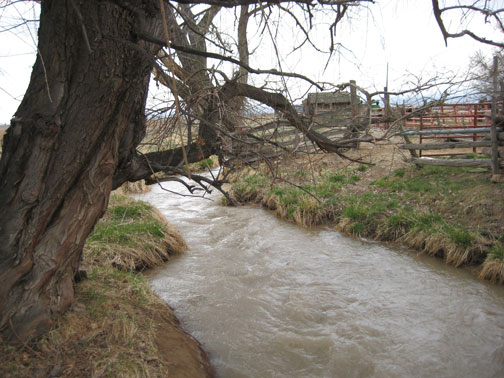
Usually the water comes down the canal by March 30th, but there isn’t any and today is April 1st.

Terry said that we must not have any onion growers on our ditch this year.  (Onion growers start earlier than most farmers, and need the water sooner.)


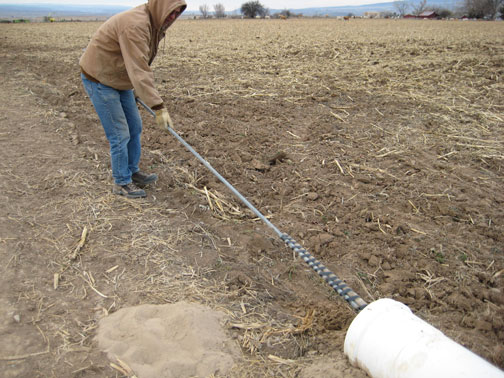
Cleaning Out the Sand

cleaning-the-pipe.jpg

This is what I mean by the 12” pipe allowing sand to build up.  You can see the large pile of sand where one pipe was already cleaned.