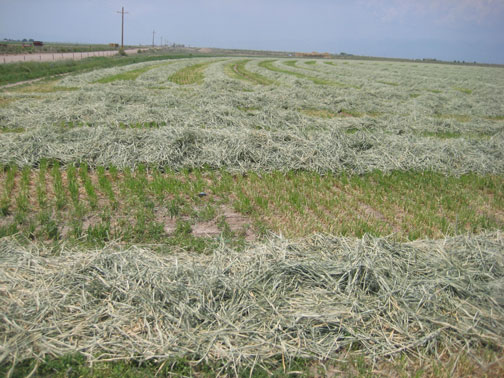
The Wheat in the Area is Cut Green Then Harvested
1
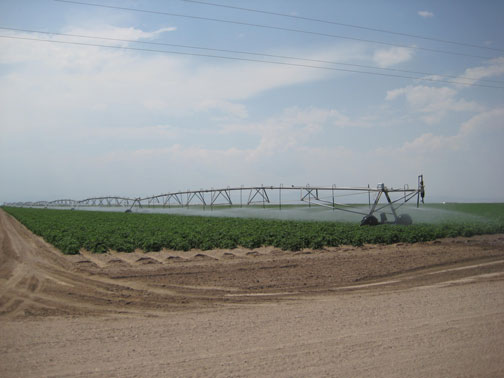
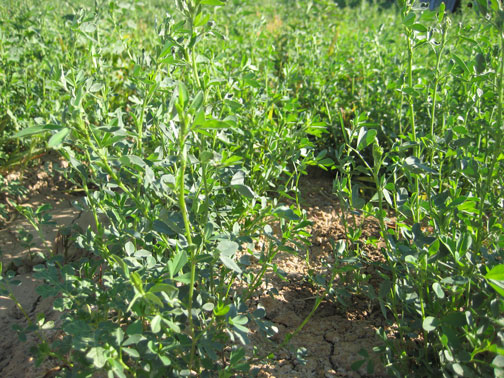
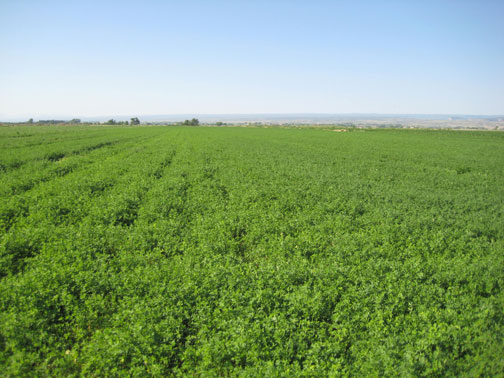
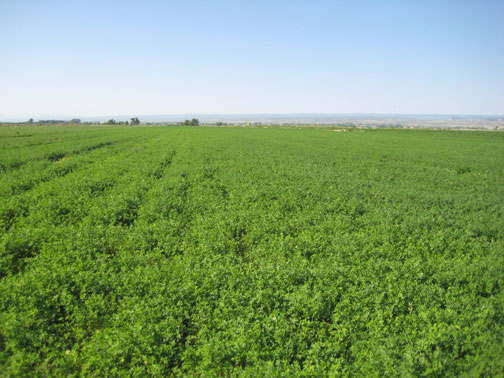
They raise lots of potatoes, but we saw alfalfa fields, and grain fields.
We saw mostly pivot sprinkler systems, a few tube irrigated, and some flood irrigation, but most pivot.

And the hay isn’t down, and we don’t have grain to worry about…..
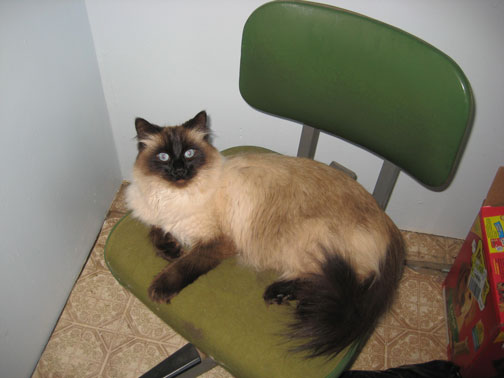
Monkey really HATES to go outside when the wind is blowing; she is such a girly-girl. The wind ruffles her hair and makes it such a mess!
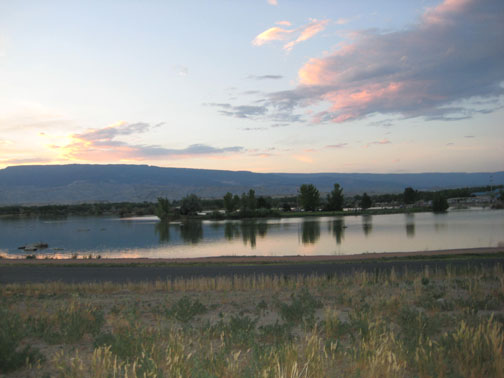
Confluence Lake is one of the really nice features to the City of Delta. People can fish the lake, have picnics and watch fireworks on the fourth of July.
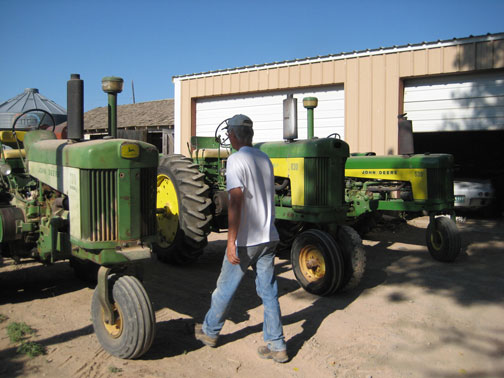
Back to the hid’y hole.
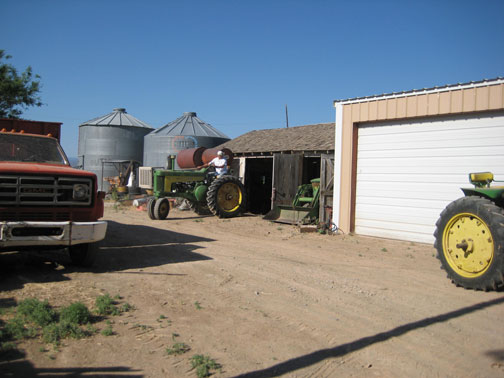
The last one goes in.
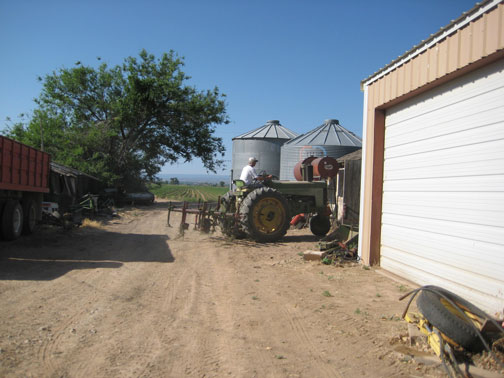
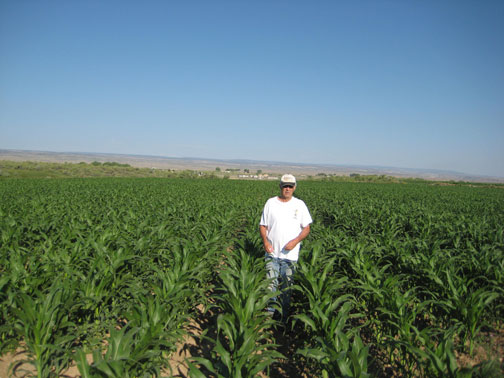
This is such a pretty little corn field! Farmers like to have their corn at least knee-high by the fourth of July to be ready for harvest time.
(But with sweet corn, which we don’t raise, the corn will be all sorts of heights, because the harvest is staggered to meet the needs of the grocery stores.)
The only other exception to the knee-high rule is corn grown for seed, by the nature of itself most corn grown from seed will only reach knee-high at harvest.
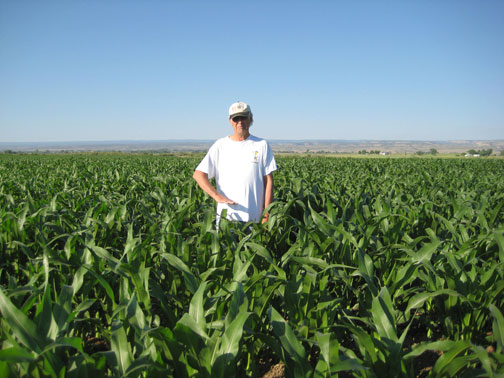
This is our medium-sized field, the corn is doing well!
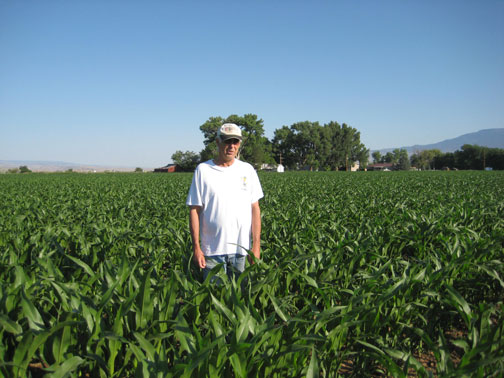
This the largest field of corn, right on track. You can see our daughter Misty’s house behind Terry. Now you understand the wonderful gift we have in getting to know these grandchildren so well.