Fall is Fixing Spring

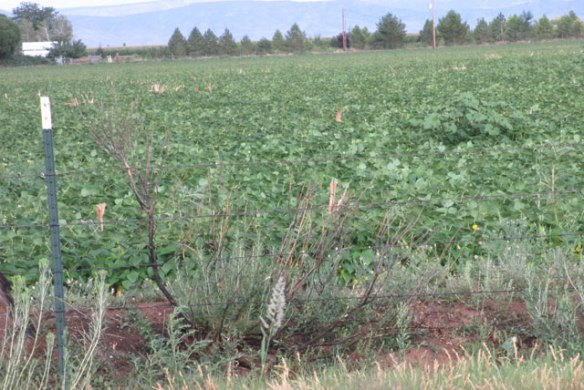
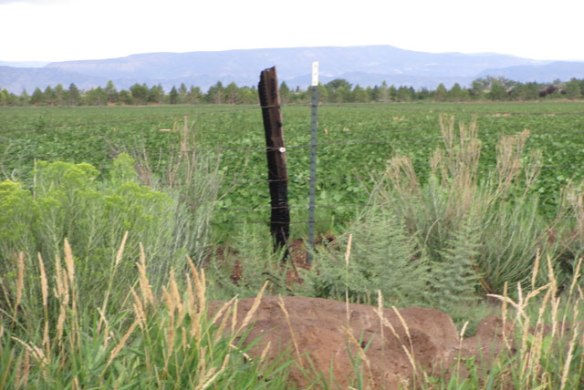
The horrible burn we had (two days worth) last spring is starting to heal itself.  Green is everywhere, although, lots of the green is invasive weeds.  Still it’s green.

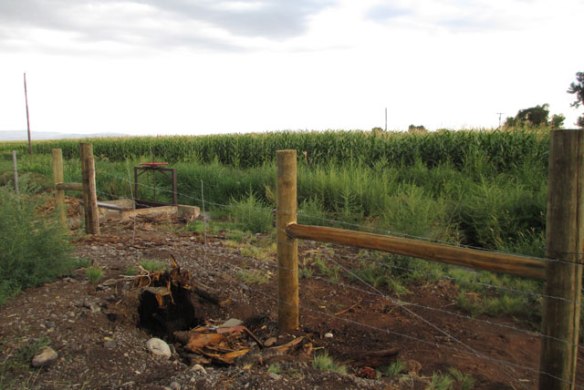
Also, a “little” green arrived in the mail…the insurance company covered the cost of the gated pipe on our land and some of the fence posts.  The whole west side of the fence is not covered yet…lots of dickering on amount and such is going on with the two other farms who  experienced they same horrendous fire.

Then yesterday the Ditch Company came and fixed the fences on the north side and the east side of our place!

The Ditch company said they would even fix the bridge (they burned) this winter with a cement top instead of the burnable wooden top.

We are really feeling blessed.  Once the fence on the west side gets fixed we will have everything back to where we started.

Linda


Weeds the Bad and the Good

We have weeds, just like each and everyone of you have weeds.

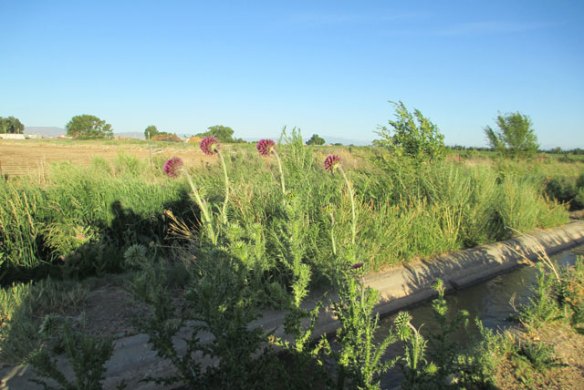
We have all sorts of thistle, from the bull thistle to the Nodding Thistle,

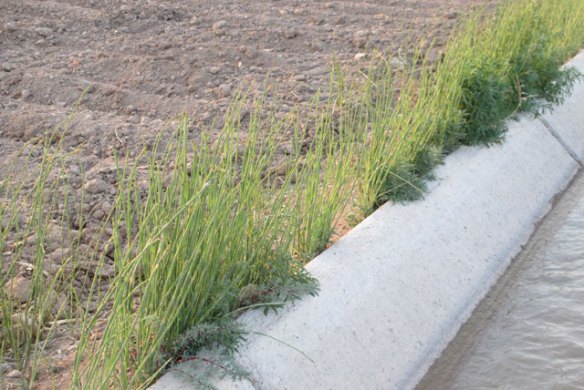
we have common weeds and we have weeds that some sort of use –like Scour Weed (this weed was used by the pioneer’s to scour out their pots)

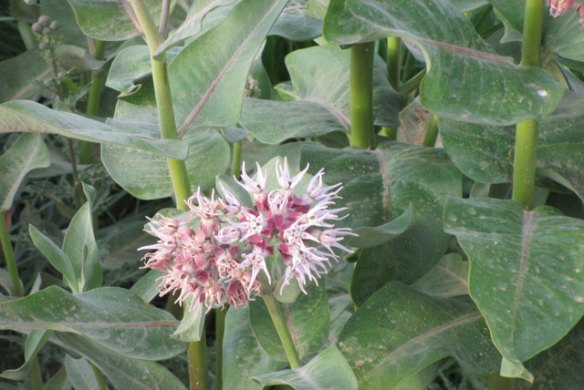
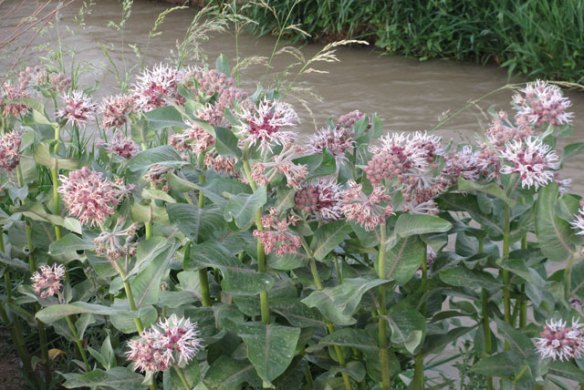
But I think my favorite weed is the Milkweed (not the poisonous kind).

The Milkweed of Monarch Butterfly food.

There are others the Monarch Butterfly likes for food — Swamp Milkweed (Asclepias syriaca) and Butterflyweed (Asclepias Tuberosa) —but the tall and stately Common Milkweed (Asclepias syriaca).

The Monarch butterfly female lays her eggs on the underside of a milkweed leaf, and the larvae feast on the leaves. Milkweed is the ONLY food these caterpillars eat, though adult butterflies will sip nectar from many other flowers.

The University of Kansas and director of Monarch Watch (http://www.monarchwatch.org) have stated that acres and acres of milkweed has disappeared from the fields, side roads and byways across our mighty land.

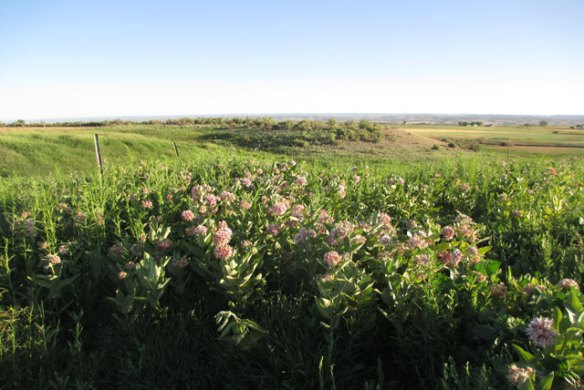
And just because we had that huge and nasty fire, and  the ugly invasive Russian Knapp Weed and the Canada Thistle have squatted down in great comfort, along has come these beautiful weeds, food of the Monarch Butterfly.

A monarch is that heroic butterfly that flies as far as 2,000 miles from thier northernmost range in the eastern provinces of Canada, down through the Undited state clean to the Transvolvanic Range in central Mexico, where they cluster by the millions in the oyamel fir forests.

(Wouldn’t it be a huge delight to see this…all those millions of orange and black butterflies in the forest?  It is something I would delight in seeing!)

So even though we are having a huge heatwave/drought, along with parts of Oklahoma, Texas and Mexico and other places in the west/southwest/south–when the Monarchs start their trip in late summer and early fall…our milkweeds will be here.  And the little Monarch that I hope are living on them can take up the same flight feeling full and nourished  for the long, long trip!

Linda


Only Two Left, Only 2 !!!!!

There are some things on the farm a person just can’t do without, a shovel for one.  I always seem to be in need of shovel….the scoop shovel is a good example. It’s very good for grain and then a separate one for cleaning out the chicken house and the barn (no mixing of shovels for food items, now, ya hear!

Then there is the shovel for the irrigation water, each field has at least two shovels in it….one for Terry and one for me.  We like different types of shovels, the shovel that fits best on your shoulder and has a nice weight in your hand is what you look for.

Then I have a shovel for the yard…this one has a large shovel so I can dig up clumps of stuff in one or two digs, not a whole bunch of little ones.

I also have a little red shovel that I use for my water trough flower beds.

And I have two rakes….a leaf rake and a regular rake.  I only need the two.  They are for yard work and that is all.

There are other implements that are more than necessary but used only for that particular thing…like planters for planting and the lawn mower.

But the thing I use the most for all sorts of things is….
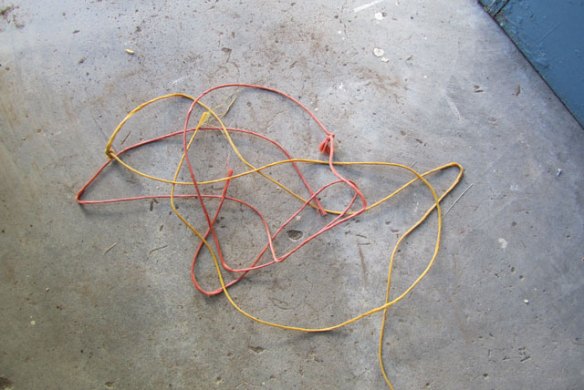
BALING TWINE!!!!

And I only have two left!  (WAIL)

Baling twine is what I used to put the top on the chicken run with, baling twine holds my vines to the trellis, baling twine has been know to ‘tie the gate shut’ until one of us could get to town and get the proper latch.

Or to close the garage door until the opener can be fixed ….. that was three years ago and we still have that on the ‘to do’ list.

Baling twine is the farmer’s (at least us) answer to what others use duct tape for.

And I ONLY have two left!

How this all came about was last year when Terry decided to sell the cows, he decided that he would sell ALL the hay, since we wouldn’t need any to feed over the winter.  We kept enough for the chickens and Misty’s goats, but that was it.

Gradually the bales were used and I stored the very precious, to me, twine so I would have some when I needed it.

I’m so glad I did.

Terry should cut the alfalfa sometime the first of June (depending on the weather), he will bale up the hay and haul it into the yard.  He sell the hay….BUT I’m requesting several  bales to hold me through the year.  And on those several bales will be two strings of baling twine!

Linda

(P.S.  No! I can not go out and cut off any length I might want out of the baler….I can’t EVEN think of that….{{{ shudder}}}!)
My Yard in May

This slideshow requires JavaScript.

Weeds and all!

Linda

Along Came a Spider

The HUGE black and yellow garden spider (Argiope Aurantia), who lived in the corner of my upstairs eve, passed on.  She was a wonderful spider (although very scary to look upon).  She at moths, aphids, flies and grasshoppers, mosquitoes, sometimes bees and I saw several wasps.   (Do NOT try to touch this spider….they will bite!)

As a little side note: male and female black and yellow garden spiders spin their own webs and hunt on their own during the day for most of their lives. Once mature, the males leave his web to hunt for a mate –I never met him, but I’m sure he must have been just wonderful.  My spider was a beauty and she had very selective tastes.

Anyway, of course the poor fellow passed on, the job was just way too much for him.

I never named my spider, but she created a huge, large, GIANT web with heavy zigzagging, called ‘stabiliments’ down the center.

Our winter was just too cold for her (I am told in the milder areas of the United States my spider’s relatives can live for years.) and she passed.  I saw her poor crumbled body on the roof shingle below her tattered web one day.

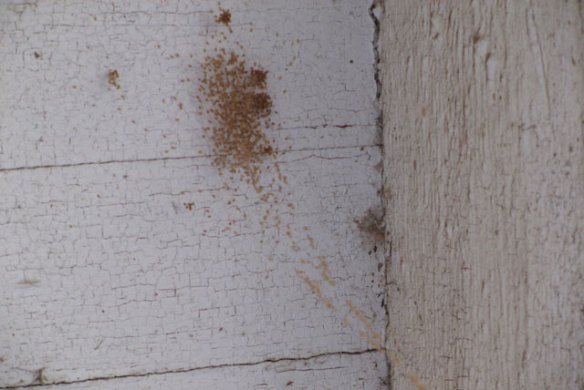
I left her eggs to spend the winter in their very dormant state inside their multilayered egg sac.  They emerged Sunday…within thirty minutes what once was an spider incubator…was just a blank wall.

Close to where they had incubated an couple of darling barn swallows have taken up residents.  More on that later.

Linda

Adventures in Irrigating

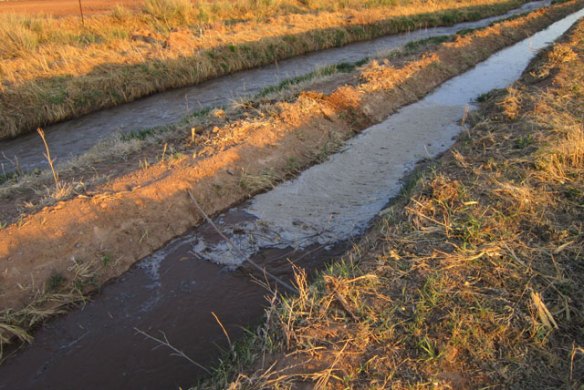
We opened the last ditch on the place yesterday…what a mess.

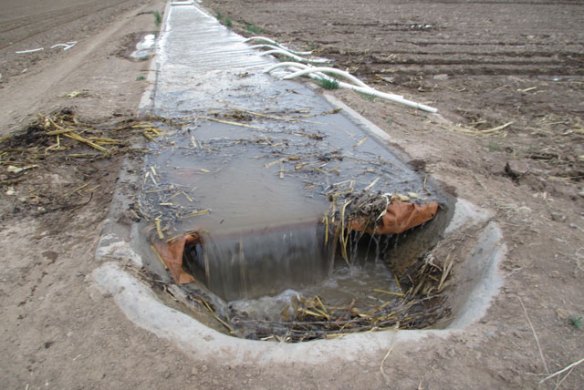
The cement ditch had tons of trash in it, but that was to be expected.

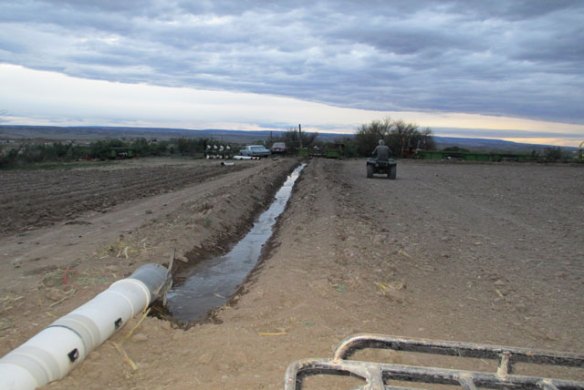
The new dirt ditch (which we made after deciding not to buy more extremely expensive gated pipe) is holding water and sealing up nicely.

Where we had the problem was under the old apricot tree that escaped the fire.

We didn’t even THINK about there being a problem with that ditch….it’s the last ditch on the place, taking the water to the alfalfa hill and then on down to the next farm.

So here we were working away on getting the trash out of the cement ditch, starting the tubes, digging out the ends…..everything going along as expected.

We rode down to check the new ditch out.

Good.  The water was going on down to the alfalfa hill, the ditch was sealing and imprinting.  We got the trash out …

Looking good

Evening was starting to come on in a hurry so we headed on down to check the alfalfa ditch and start the furrows (earth dams here and digging out ends)

When we saw a LAKE in the road!  And the water starting to sub over into the potential pinto bean field!

Who would have thought….a ground squirrel had made a wonderful, delightful, very nice home in the side of the alfalfa ditch!!!

It took some doing but we finally got all 8 holes filled in and covered up.  The squirrel was seen chattering at us a couple of times.  Floods are bad news for anyone to have to live through.

The squirrel is alive and well, it moved on over to a thicket and started a new house in a much drier area.

We have been rather cool to cold here for the last three days.  Temperatures have dropped into the low 20s, it was 24* this morning when I went out to let the chickens out for the day.  I think its supposed to start a gradual warm up tomorrow.

April sure was an up and down sort of month for temperatures….reaching 92* one day.

May for us is usually warmer, and a little steadier weather wise…I try to plant my garden the week of Mother’s Day. (Although, it can still freeze here, even as late as in June.)

Thanks for stopping by!

Linda


Corn Planting Time

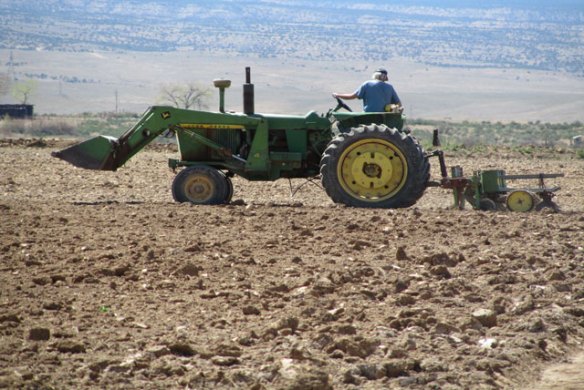
One field of corn seed is in the ground.


Terry planted Friday and with this hot weather we’ve been having 80+* for the last several days, the corn seed has already past the swelling stage and starting to shoot roots.

Terry will plant the other field of corn today.

Since the first field is already shooting roots he will harrow off the top of the row bed so the little tips of the corn won’t have a hard time coming through and also that will knock some of the weeds down. Usually the corn bed is harrowed about five days after planting.  (This should happen Tuesday sometime-Wednesday at the latest, if it goes too long the corn will be up and will struggle to get through.)

Friday and Saturday we spent getting the gated pipe ready for the other half of the farm and setting the new earth/dirt ditch.  After much thought and heavy pondering…..gated pipe is EXTREMELY EXPENSIVE NOW…..We decided to go to earth/dirt in place of some gated pipe that broke.  The ditch is pretty soft right now so will take lots of extra effort on our part until it seals.  Or imprints —  meaning holds water and remembers where the water is supposed to stay….not run off here and there and everywhere.

Of course the gated pipe (two sticks) had to break somewhere in the middle and at the beginning of the pipe.  So we had to ‘adjust’ all the remaining pipe so we could put the earth ditch at the END of the gated pipe.  That meant lots of jerking apart (by hand) and picking up and moving, one on each end, then shoving back together again.

We had a little break and watched our oldest granddaughter play soccer.  Breaks are always nice, they make you appreciate what you’ve accomplished and give you a mini-rest.

The soccer field is in the valley, on the banks of the Gunnison River, and at the doorway of the Adobes.  You can see the ‘dobies in the background.  The ‘dobies give rise to the foothills surrounding Grand Mesa.

(All the locals call those adobe hills, which skirt the base of the mountain ranges in Utah, New Mexico, Colorado and Arizona, ‘dobies.)

Linda


Tuesday, April 17, 2012

After several days of extremely cold weather, we are gradually starting to warm up.  During that time the Sour Cherry trees started to bloom

Then we dropped down even colder — 18*– a couple of nights in a row, which took out some of the blooming fruit I’m sure.

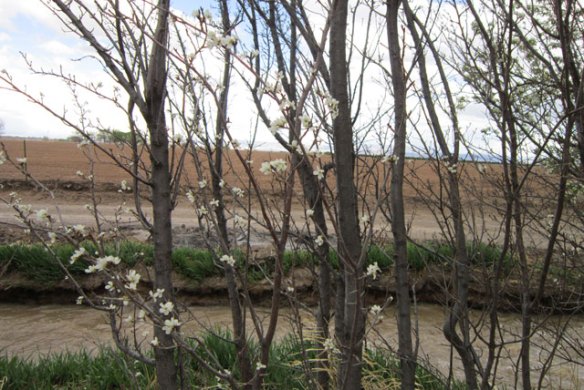
Still the Wild Plum trees that I have growing in a thicket started blooming

We have these trees along the edge of the canal to keep the water from eroding the bank

By the weekend the Crab Apples were in their full glory

Terry sat up the alfalfa marker and got that field ready for water.  By which I mean he marked out all the rows so we could turn water into the field.  Several morning this week there was ice on the furrows.  Not heavy amounts of ice, but still ice.

When you think of it that is cold….it takes lots of cold to form ice on running water.

The good news is that cold front has moved on, the bad news is this very same cold front is what causes horrible storms in the plains….cold air moving out of the Rocky Mountains hitting warm air coming up from the oceans.

My heart goes out to everyone in those storm damaged area.

Linda

A Cat and Catnip

This slideshow requires JavaScript.

While I was working in the herb garden Sammy-Sam, one of our cats, decided to work with me.

No, hummm, he decided to partake of the catnip.

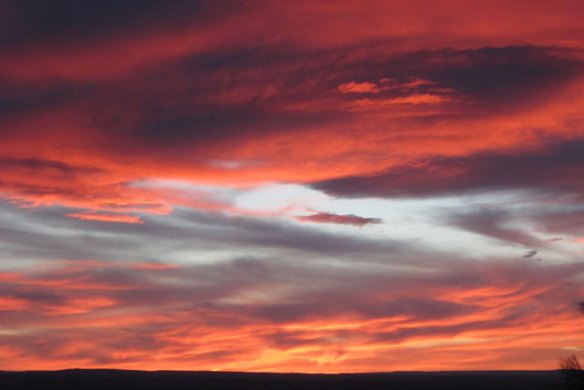
A spring storm is blowing it’s way into our lives starting this afternoon.  But last night, Boy, was the sky beautiful!

The whole sky over us and around us was amazing!

Linda

Opening a Ditch

I dug out a camera I had purchased awhile back.  It wasn’t a real expensive one, I think I got it for around $90, since I knew my other dear old battered and well-loved camera would someday bite the dust.  This camera doesn’t seem to take too bad of photos so I shall continue to use it.

We finished watering our largest field.  Which means it was time to move the water.  We had to take the water from that field down to the one by our house.

Therefore we had to open the ditch. (Winter is not good for my body, but I’m fast getting into shape.)  We only have to open the ditches once, but, oh my, is that ever a job!

Even though Terry makes the ditches with the ditcher there is still lots of trash in the ditch, he turns the water down and then leaves and goes on down to the trash gates, I stay behind and fork the trash out of the ditch.

It starts small, but by the time I make it to the trash catchers I’m hefting huge wads of wet weeds out the water.  ( I couldn’t get photos of the wads — I think Terry would have been a tad upset to see me taking photos while massive amounts of weeds were heading toward him.)

Weeds plug up division gates and get caught in the pipes causing floods.  Floods are never good as they always go where they are not supposed to go.

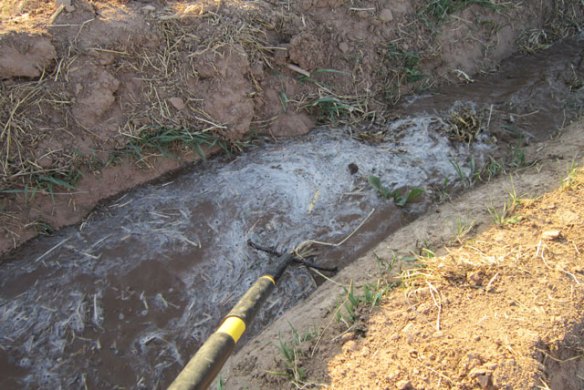
By the time I get to the trash screens Terry is already in the field flushing the pipe.  This field by the house is set with gated pipe, trash in that pipe is one major pain.  It plugs up the little gates and backs up the water.  You are looking at a screen that has stopped trash.

We like gated pipe for some fields and cement ditches and siphon tubes for other fields.  We even have dirt ditches with siphon tubes for even other fields.  Terry is thinking of changing out some of the gated pipe back into a dirt ditch, they (dirt ditches) really are lots easier to work with than gated pipe.  You wouldn’t think so, since it would seem all you have to do is open a gate and the water flows out.  Pouring another cement ditch is financially not feasible so if we change it will be to dirt.

Trash is the main reason.  Here in our part of Colorado when the wind blows heavy it always blows in weeds and icky stuff which lands in the water and then get caught in the gates.  With a tube the weed will usually flow on by since the tube is under the surface of the water. With a gate the weed runs right to the gate and tried to get out with the water and plugs up the gate. You then have to put your hand into the water and dig out the trash.  For every gate that is open all 20-30 gates.

Anyway, I could lift and toss an 80 pound bale of hay now if I had too.  Three weeks ago I don’t know if I could even pick it up.

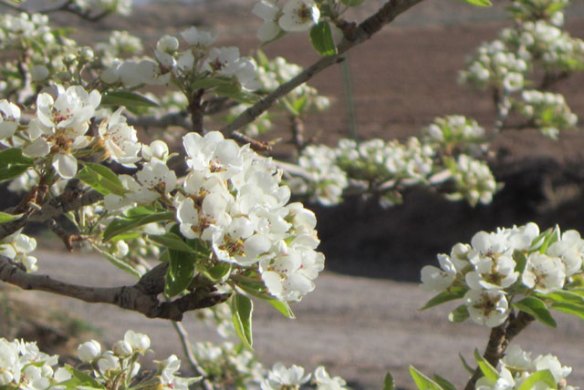
The pear trees are blooming!  They sure are pretty.  We’ve had three nights of bitter cold (18* one night) and another cold front moving in by Friday.  I remember these days from my youth and how my Dad and my Grandfather would stress out during spring.

Being and orchardist isn’t for the faint of heart that is for sure.

Linda