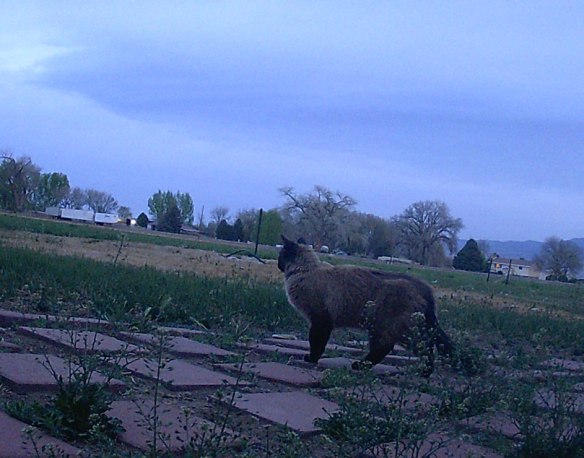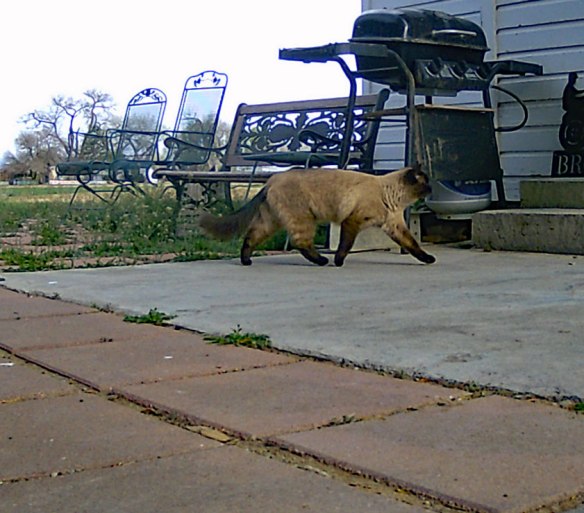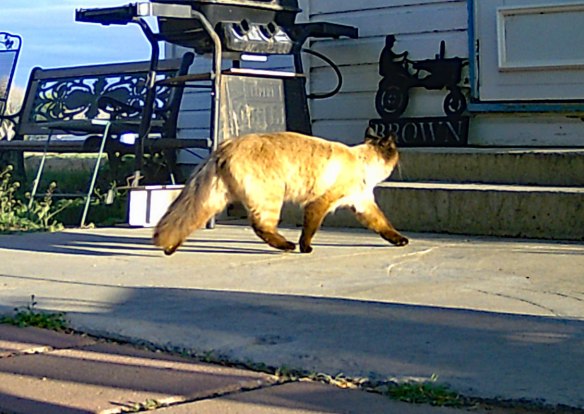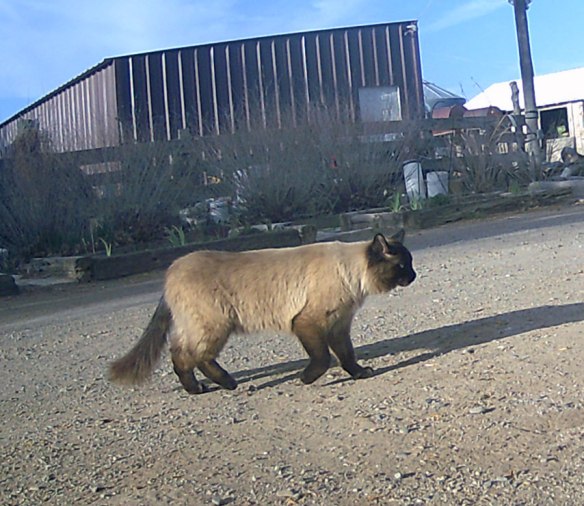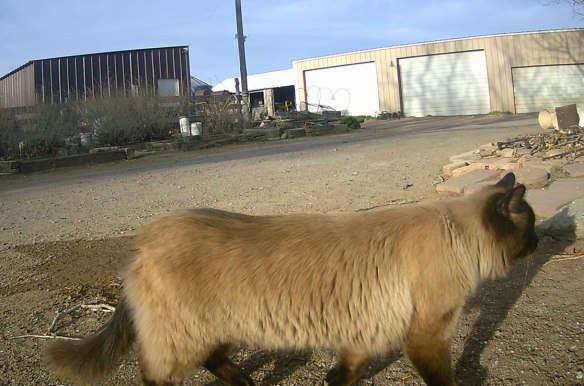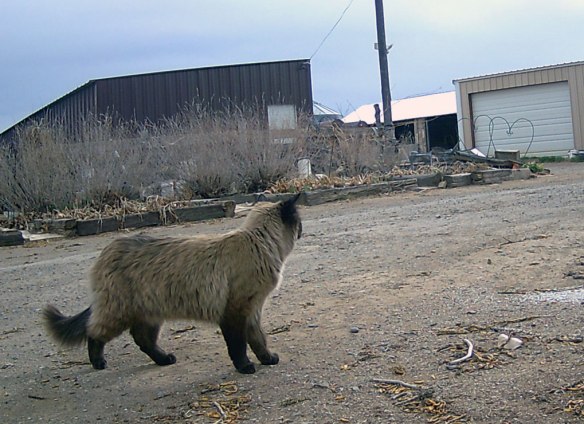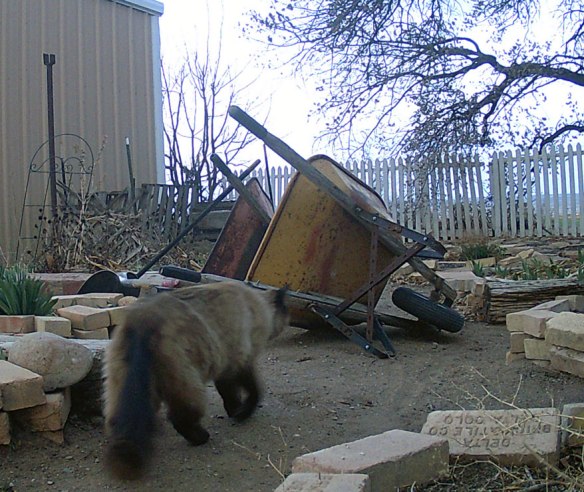
The Adventures of TLC Cai-Cai on Friday—-Farm Adventures, May 20, 2022

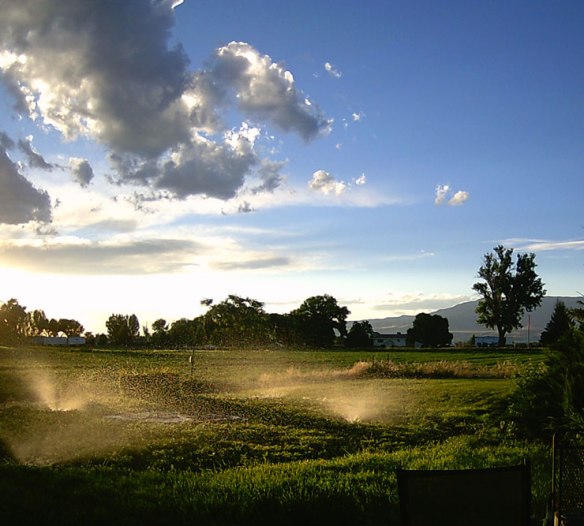
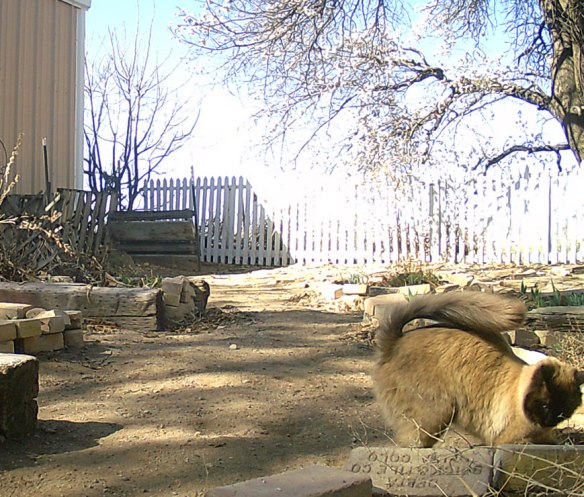
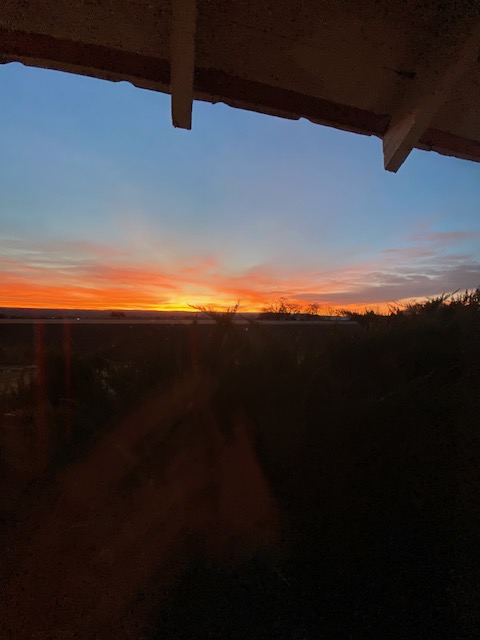
Just so you know—I wake up BEFORE Mom and Dad!  I mean BEFORE!  Like when the sky is still dark, but there is a tiny rim of light over there in the East and two BIG stars, one high and one low shining brightly.
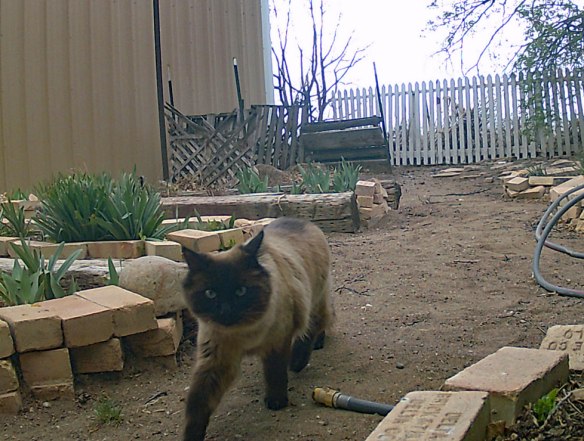
Mom always gets up at 5:00 a.m., but I get up Before MOM!
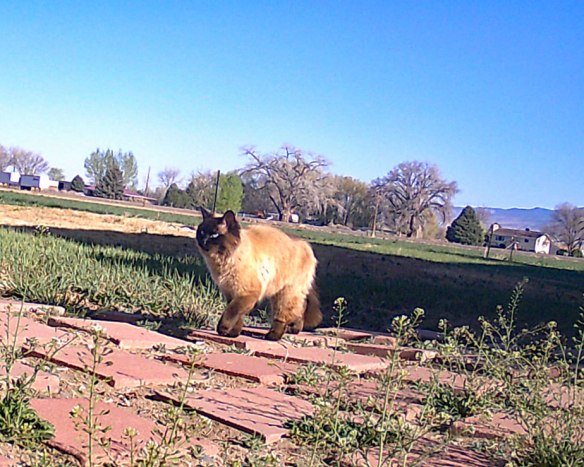
Until Mom and Dad get up, I do things to help them get up: I run across the bed really, really fast. Then jump off.  I walk as heavy as I can up Dad, cross over the top of his head and the pillow, onto Mom’s head and pillow, and walk down her as hard as I can.

Then when Mom turns over on her back I walk up (HEAVY) and stop right on her stomach and stand hard and stare at her.  When she opens her eyes and starts to touch me I lay down fast and put my face right into her face and PURR!
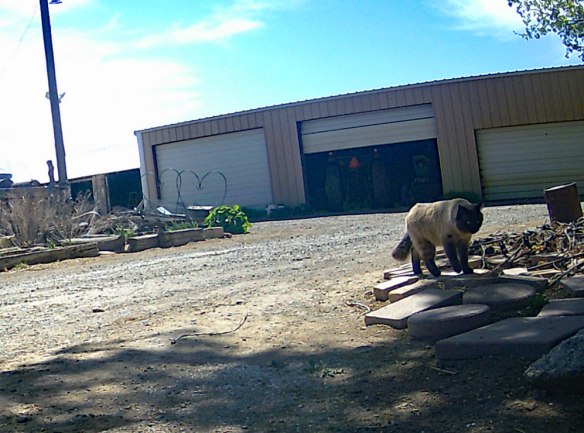
Then Mom and I have a long, long, long pet/purr time before I get tired and jump up, push-off,  and jump down.
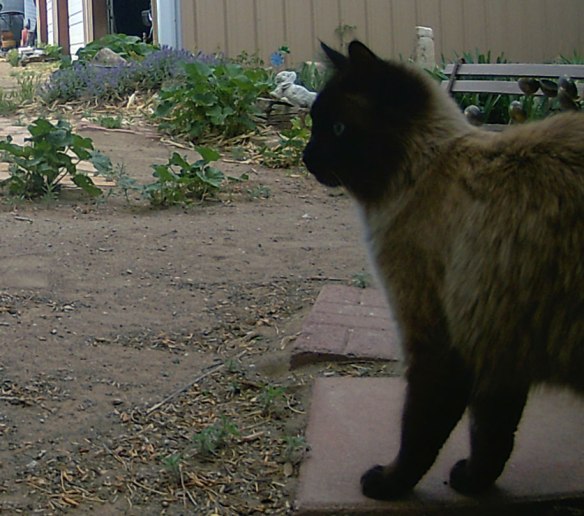
If Mom doesn’t get up right then I do everything I can to get her up—I sit in the window and try to climb the screen to get at the Swallows building nests onto the house, (That ALWAYS gets me yelled at).
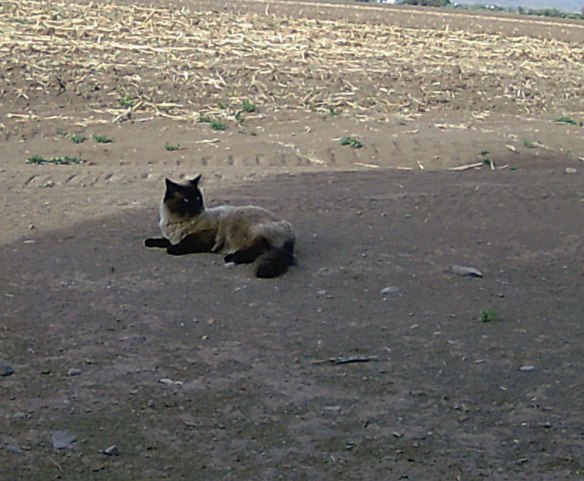
When I get tired of all those things, and I want Mom to get up and get me some yummy food from a can, I CLAW the drapes.
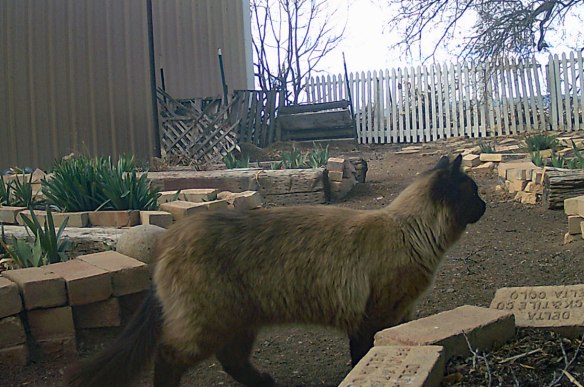
Yep.
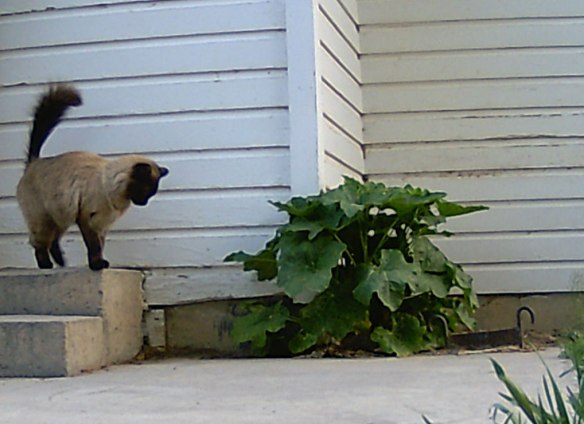
Mom flings herself out of bed and yells at me to STOP; I run off fast into the kitchen where I wait.
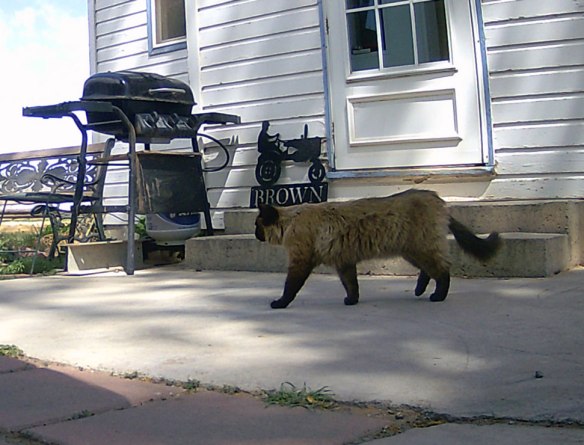
Yep! Five O’clock! Time for mom to rise and shine!

The Day has Started!
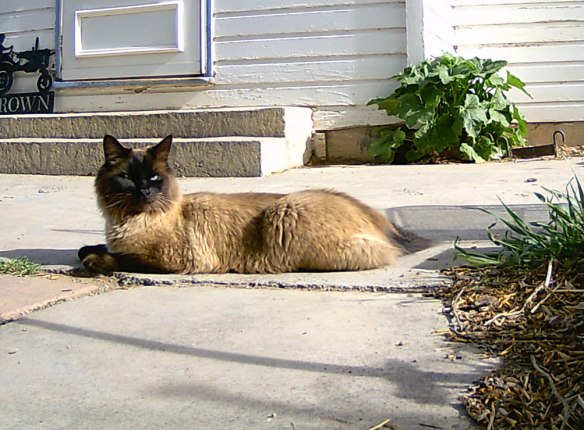
Smirk, Smirk!

TLC Cai-Cai
 

The Adventures of TLC Cai-Cai on Friday—-Corn, Friday, May 13, 2022

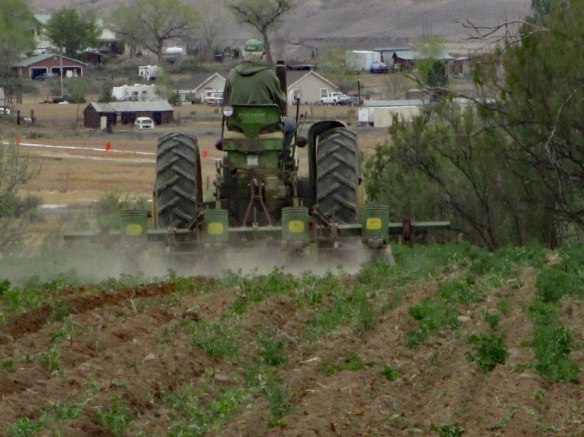
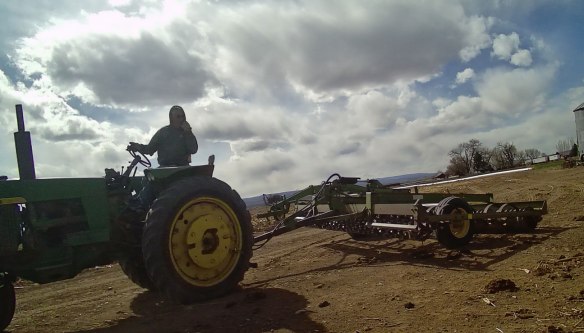
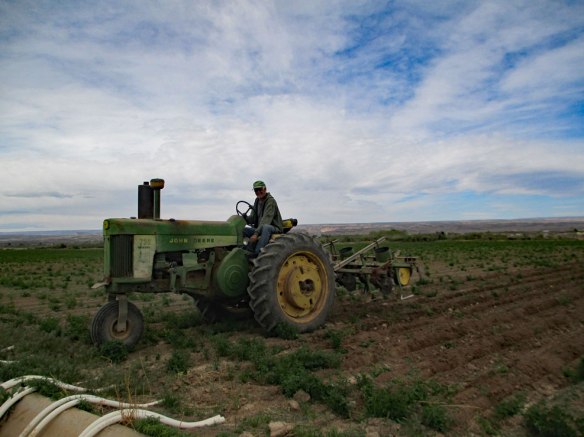
Dad is planting corn,

He got it all planted

Then he went out and knocked down the rows

Now Dad and Mom wait

( of course, they don’t sit and wait)

After the corn gets a tiny sprout

They will start the water on the cornrows

Soon the tiny seeds will make

BABY corn PLANTS!

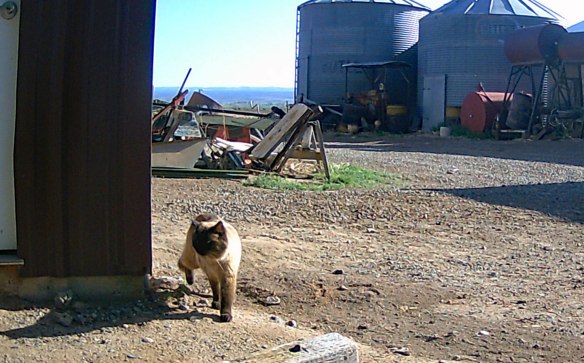
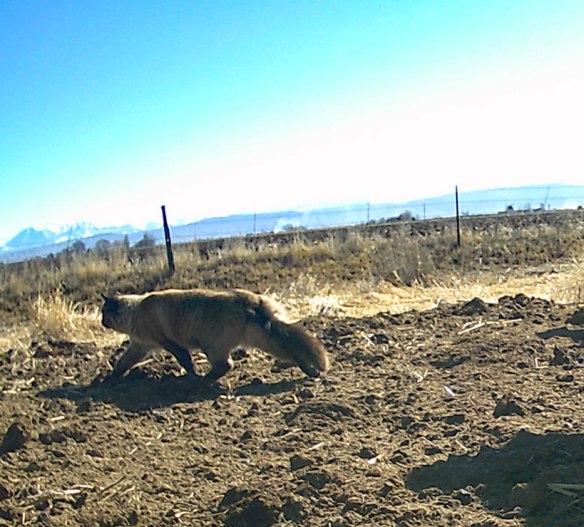
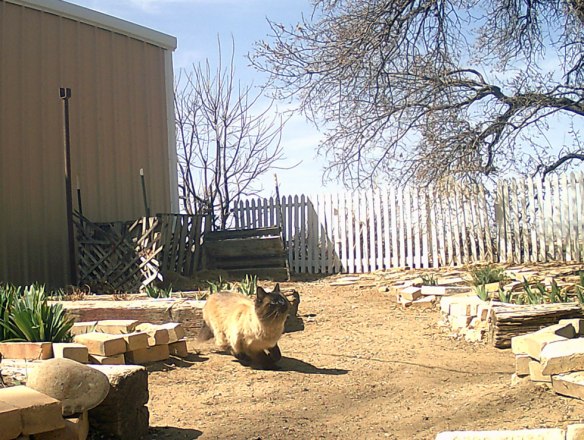
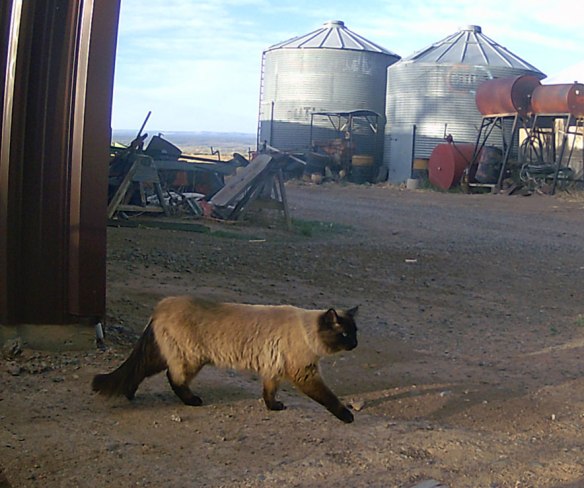
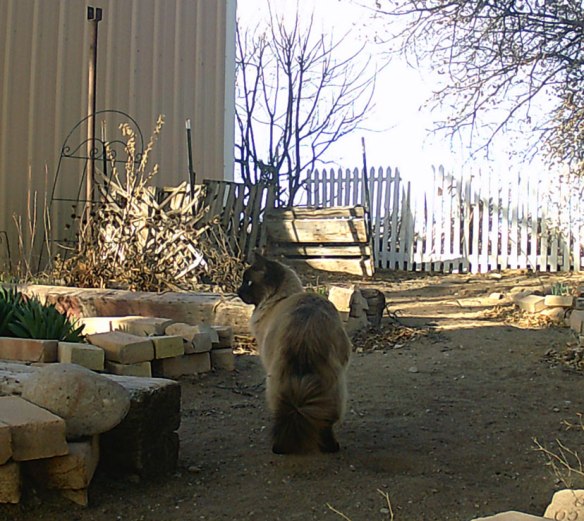
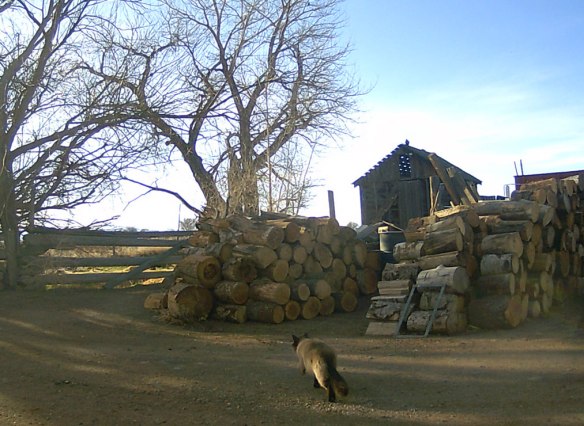
As for me—I am busy keeping the farmyard

SAFE!


TLC Cai-Cai

The Adventures of TLC Cai-Cai on Friday — Well, That’s About It —Friday, May 6, 2022
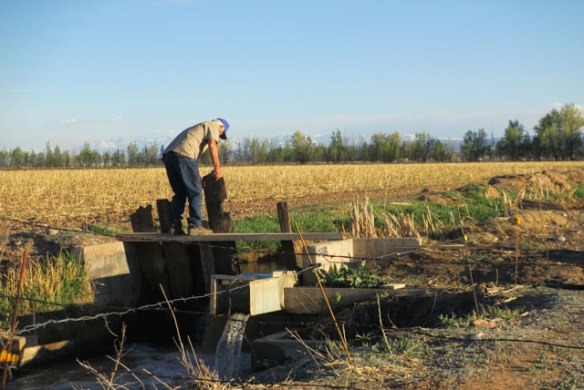
Outside of all the bending, stooping, picking up, laying down, walking, walking, walking, shoveling.

There is always and forever the delight in being out on the ditch bank watching the seeds pop up out of the ground, growing straight and tall.

There is so much happiness in being a farmer, and a protector of the land and the water.

And having a wonderful, furry kitty.  Kitties are an important part of this farm.

There are so many things kitties do: we hang out with our people when they are stressed and just need to hear a purring voice,

we follow along as they work in the farmyard, keeping a silent, watchful eye on all they do,

we keep monster mice away from the house, the feed, the chicken pen, and everything on the farm,

we warm beds in the night, (sleeping RIGHT BETWEEN our people!), and lick them in the face when it’s time to get up in the morning.

(Meow—it’s hot!)


Kitties are very, very important!

Thanks for coming along.  We, (Mom, Dad, and I) appreciate your stopping by and reading.

TLC Cai-Cai
 

The Adventures of TLC Cai-Cai on Wednesday — Step Five, Water is Athletic —Wednesday, May 4
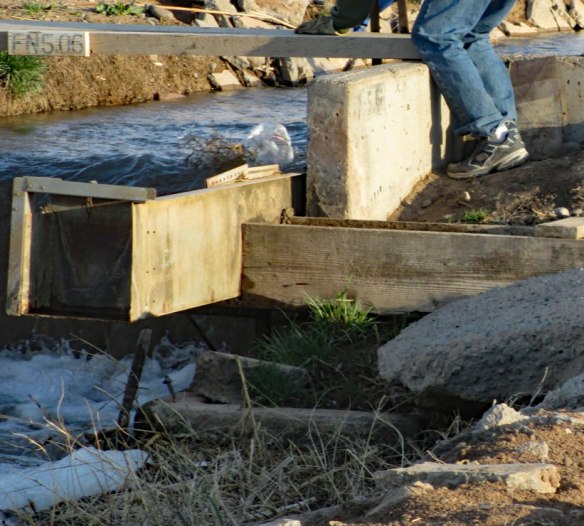
Well, maybe not the water itself, but Mom and Dad sure are.

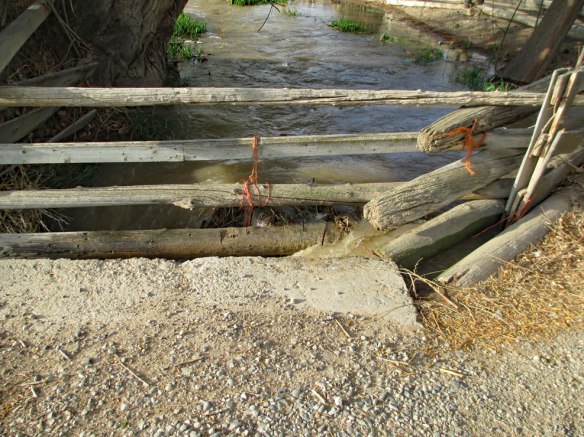
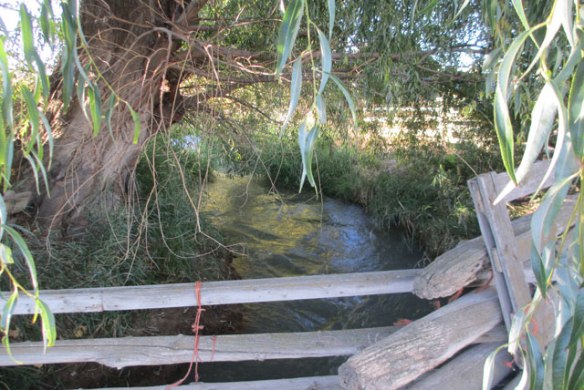
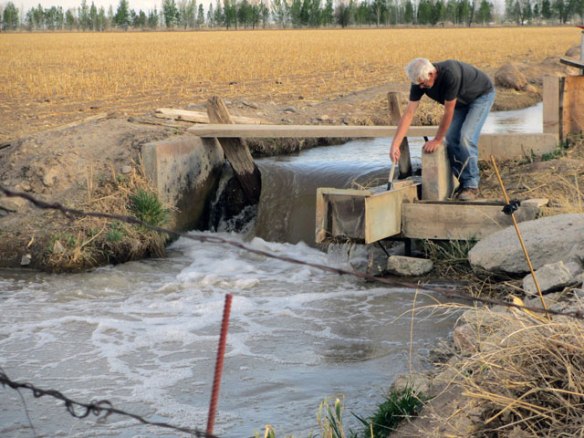
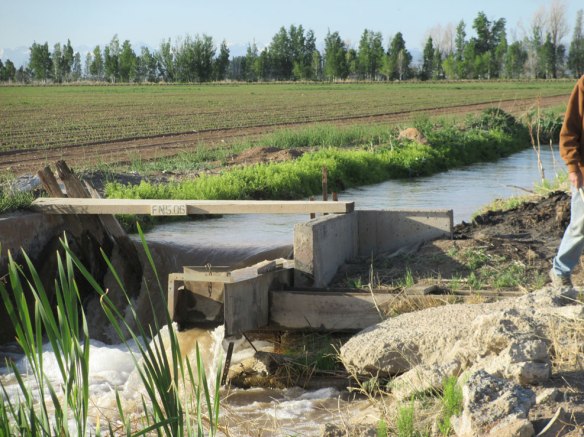
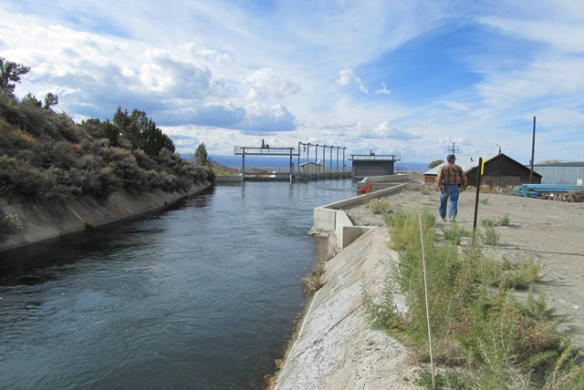
There is the headgate, you have to keep all the trash out of it,

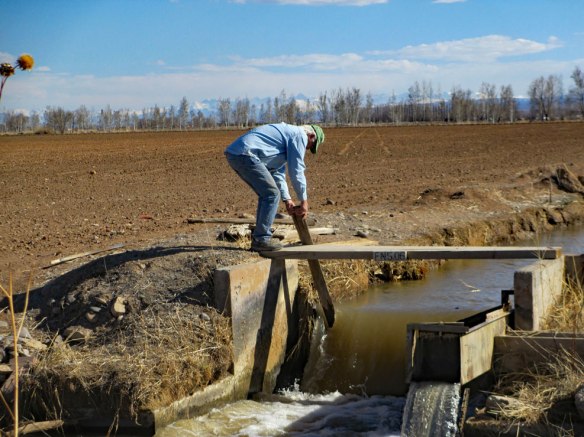
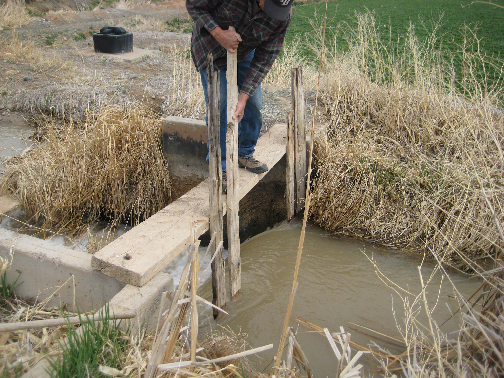
sometimes Dad has to walk across the headgate on the tiny little board to put other ‘blocking’ boards in,

and sometimes Dad has to put down the side of the tiny walking board a screen to filter out the trash.

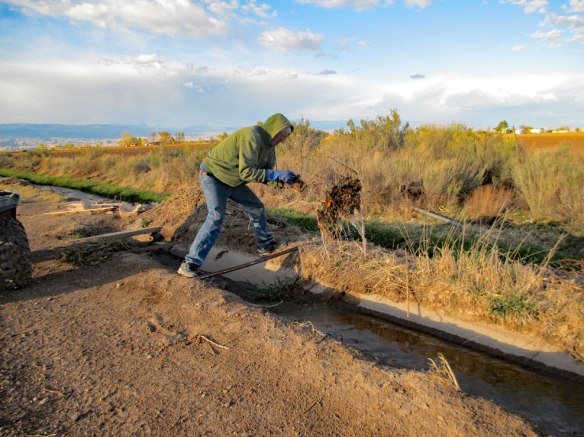
Trash is a huge part of keeping the water flowing.

Trash stops the water,

causes it to pool up and then will become a flood.  Trash makes Dad and mom athletic getting down and digging it out of the water.

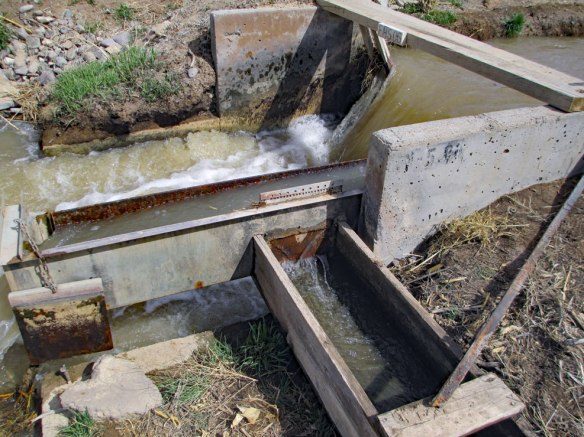
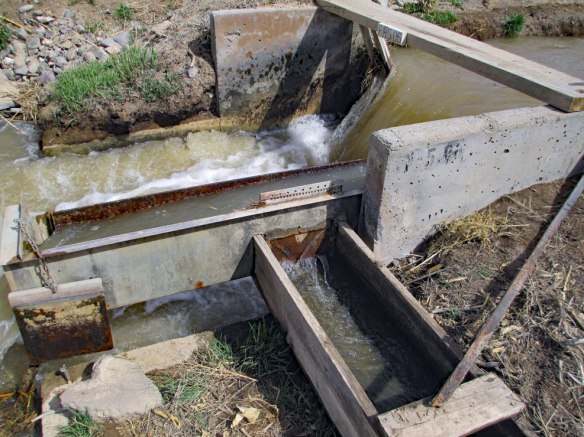
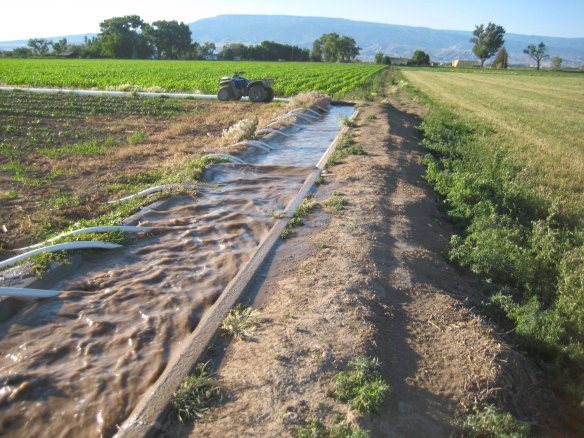
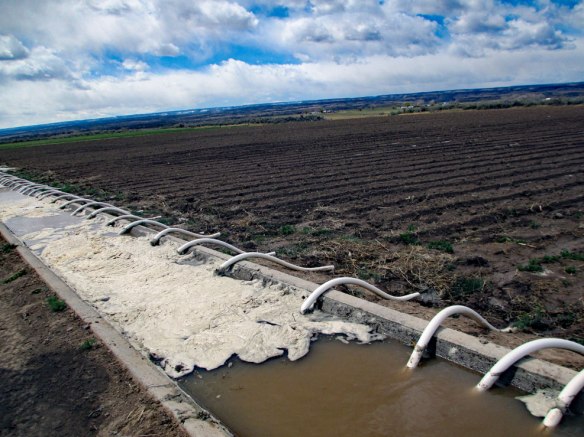
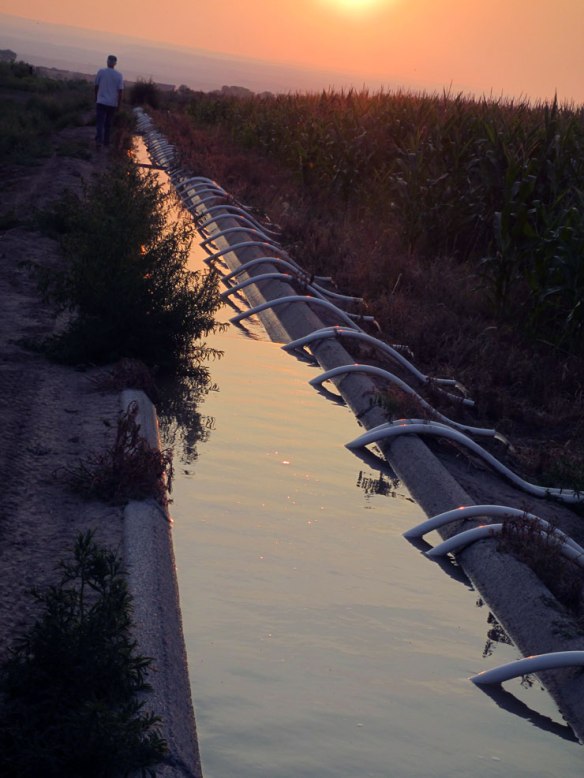
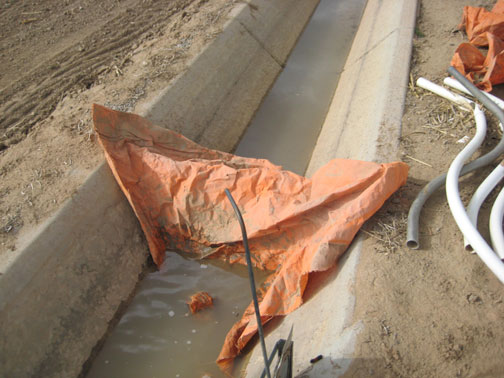
Then there is putting in and removing the dams.  That is a dam you are seeing.

Dad uses several dams all along the ditches so the water isn’t just rushing by and causing some other sort of crisis somewhere else along the way.

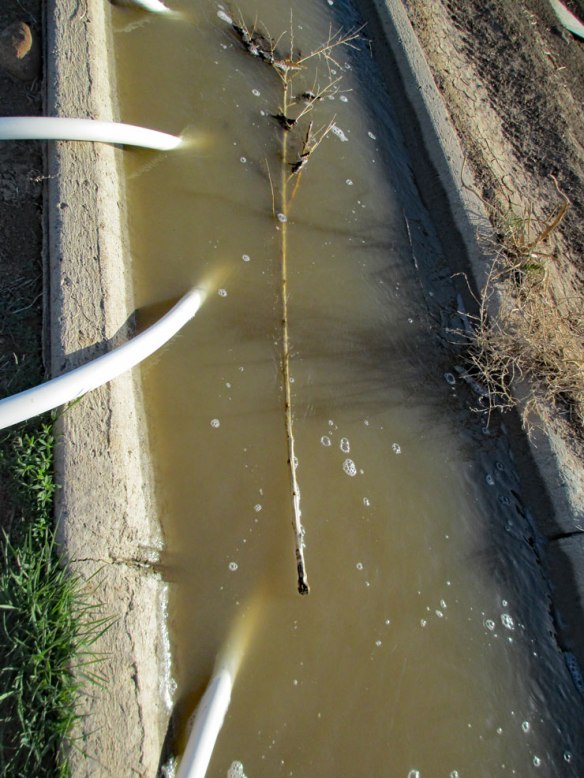
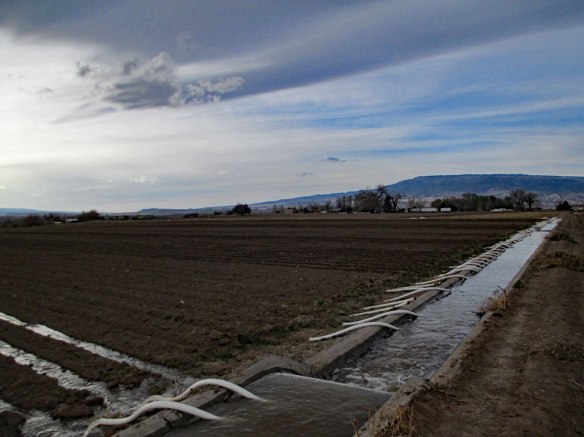
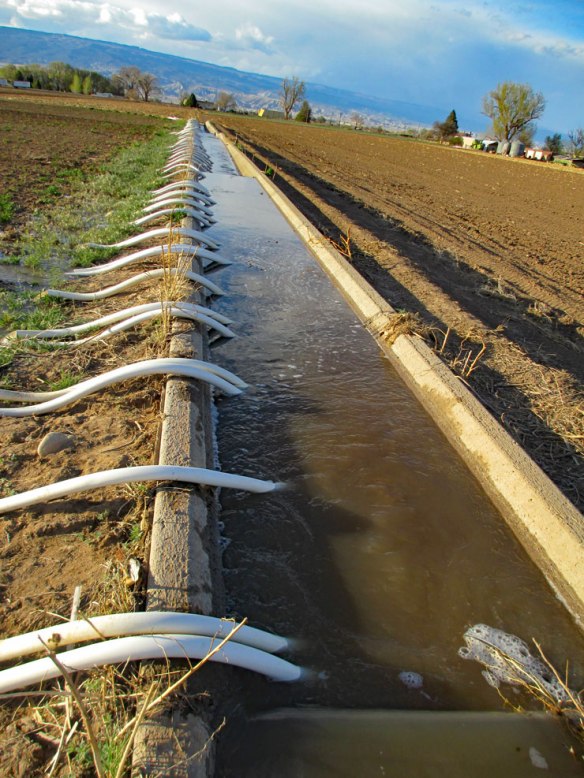
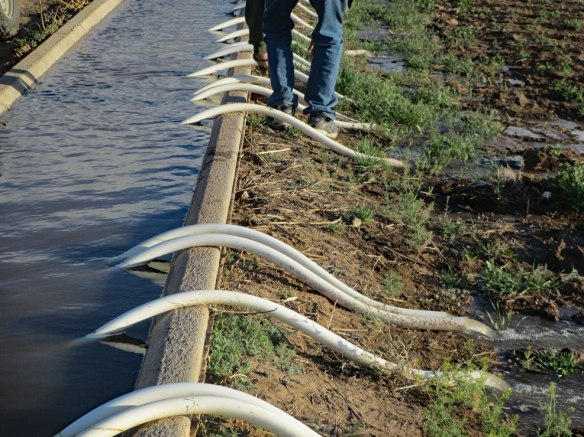
At each dam, the water rises until there is enough water Mom and Dad can start the tubes.

Mom says you have to be fast or the water will rise so high that it will run over the side of the ditch and cause a flood.

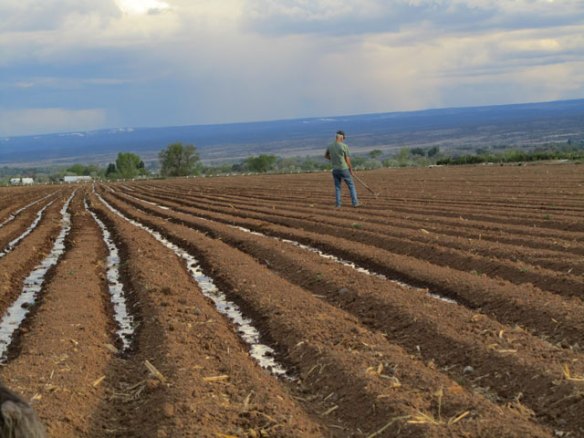
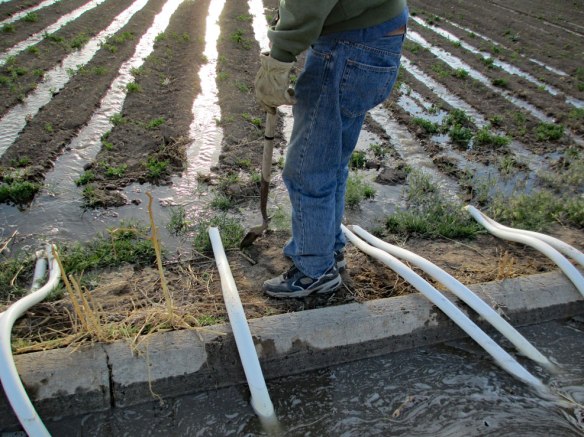
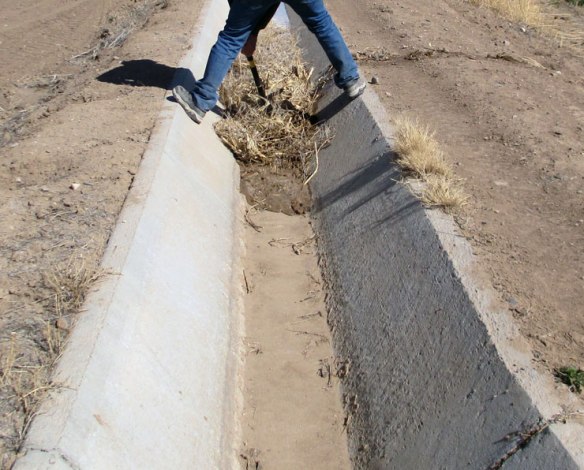
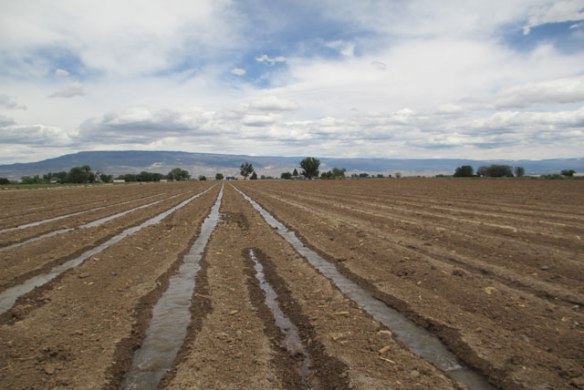
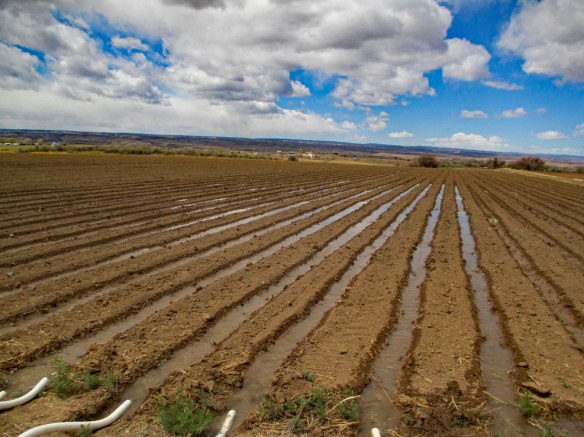
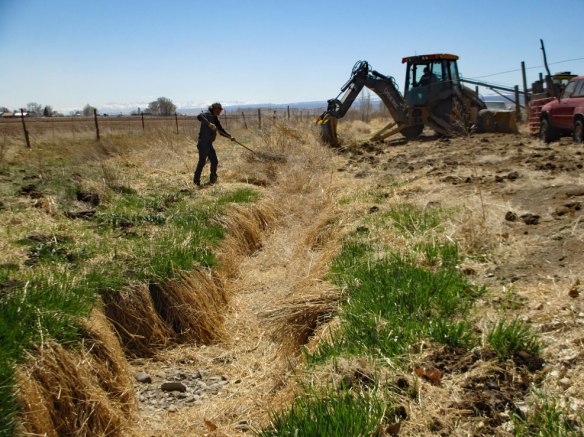
The water coming out of the cement ditch into the tubes goes into little furrows that keep the water manageable.

Over time the furrow becomes imprinted with the water and won’t let the water run over into another row.

But in the Springtime, when everything is starting to ‘learn’ it’s way-of-being, Mom and Dad have to walk down the rows and make sure the water stays in its own row and doesn’t get greedy and try to take over its neighbor’s row.

The tools used on the water are shovels, rakes/forks (not all the time, but in the early Spring for sure), dams -metal and the

orange fiber material, siphon tubes, a wide variety of trash cleaners,

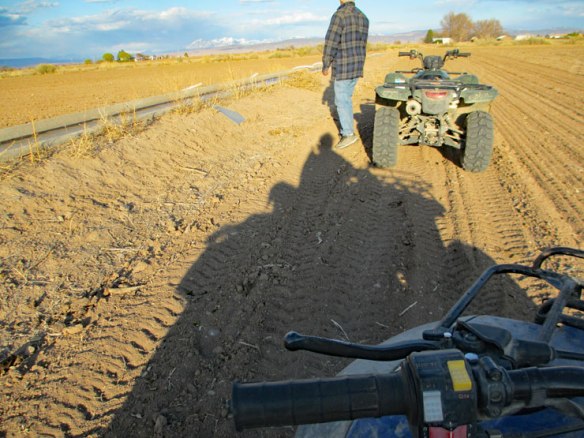
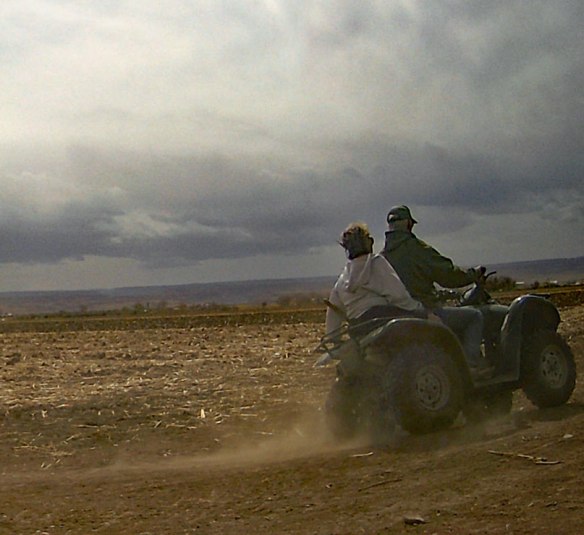
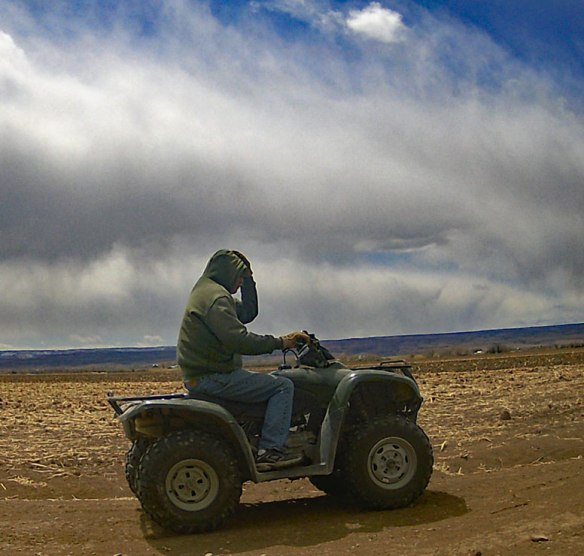
four-wheelers to get a person from here to there, and people.

Lots of bending and stooping and jumping over ditches and walking on scary boards…if water isn’t athletic, Mom and Dad sure are! 😊

Lots of work, but Mom says it keeps Dad and her young.

TLC Cai-Cai


The Adventures of TLC Cai-Cai on Friday —Step Four, Friday, April 29, 2022
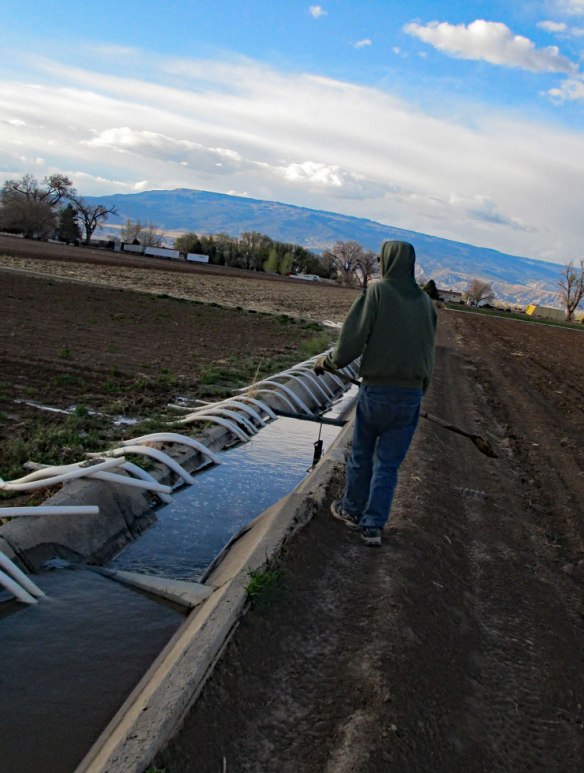
Water is not only the backbone of the farm.

Water is a tool.

To irrigate properly you not only need to understand water, the needs of the water, and how the water performs on the land.

You need to also understand the land you are using the water on!

For some people, like Mom, watering yard…she just turns the spigot on, moves the hose with the sprinkler head here and there all over the lawn in 30 minutes stretches.

Also, Mom takes off the sprinkle head and puts on a soaker head so she can water her flower beds.

Yes, this takes lots of time, because Mom doesn’t have a sprinkling system.

But for the water on the farm, on this side of the Rocky Mountains, in the high mountains desert…water is moved through furrows.

Other places rely on rainfall—that will never happen here.

Some other places pump water out of a river, or lake, or pond, or an aquifer into huge sprinkler systems that never stop.  (Because sprinkle systems only put down a tiny amount of moisture at a time, so the sprinkler has to be moving constantly to get everything wet down to the roots of the plant.)

Some places flood-irrigate…like rice paddies, for instance, or some other type of crop which moves lots and lots of water onto the crop then take it away and let it dry, only to repeat again later.

Here we take our water onto the land in a big head — the head is made up of shares.  The Shares are the amount of water allowed for that farm.

Moving water onto the farm takes timing, balance, athletic ability (you have to stand or jump on the ditches), and an understanding of the farm and water.

Mom says there is something so beautiful, soothing, and marvelous about working the water on the land. Just listening to the water is calming; making sure the water is doing what it’s supposed to —

run down each row…the row that amount of water is allotted to is exciting.

Sometimes the water wants to ‘cut over’ into its neighbor’s row, or something jumps into the row—like a clod of dirt, or the remainder of last year’s corn cob/stalk — getting the water BACK into its own row and taking the block out can be a tad exciting (and muddy and stressful.


But seeing the water running nice and even, the sides of the furrow’s turning browner soaking up the water, watching the ground soak up the water all the water to the middle.

WONDERFUL!

At least two more chapters in the backbone of water—Stay tuned!

(See my gift to Mom—MOUSE!)

TLC Cai-Cai
 

The Adventures of TLC Cai-Cai on Wednesday —Step Three, Wednesday, April 27, 2022
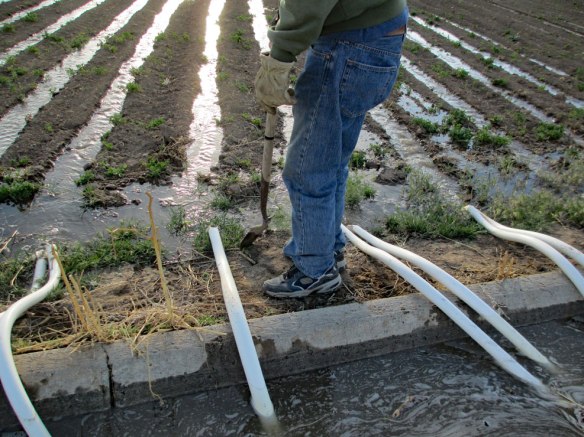
Step Three—On the Land

Once the headgate is opened, Dad and Mom have forked out all the ditches in use, then it’s time to start the water into the fields.

Water is never, ever wasted.  It goes into one field and runs to the bottom of that field in a small ditch, which takes the water to another field.

This goes on until the last field of the farm,

then that water goes back into the canal to go to other farms along the way.

This happens over and over and over again until the water winds up in the Colorado River.

Water is never wasted ever!

We move to step four—keep watching this place for more interesting information about the backbone of our Farm! (and wonderful photos of ME!)

TLC Cai-Cai
The Adventures of TLC Cai-Cai on Friday —Step Two, Friday, April 22, 2022
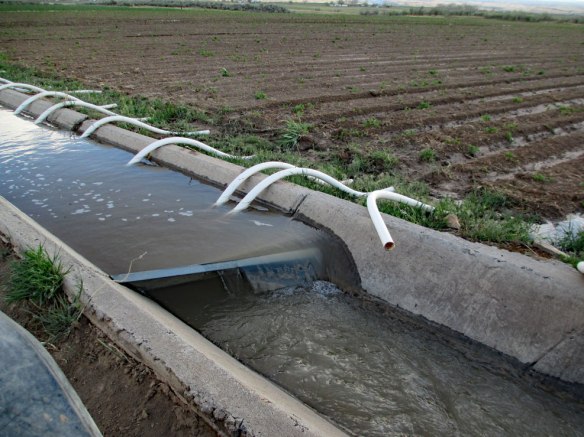
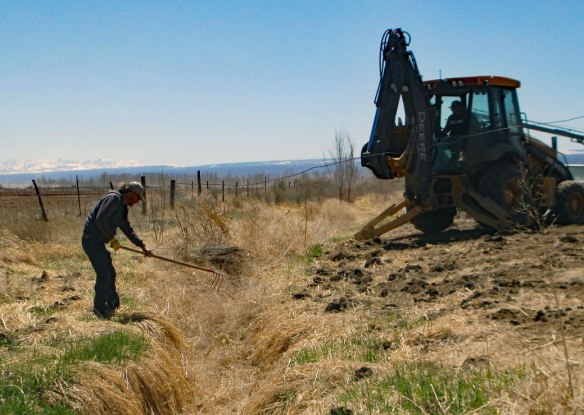
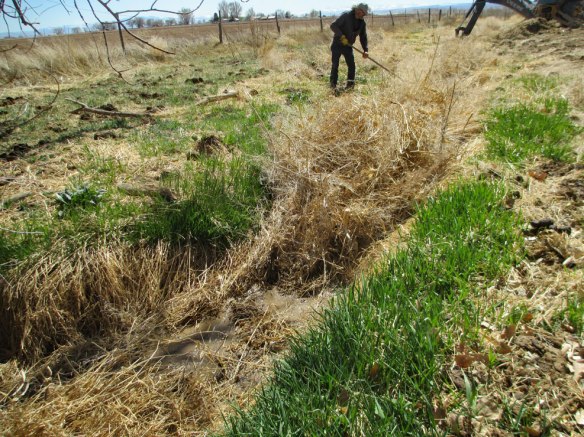
Mom and Dad lift up all the siphon tubes out of the ditches, fork out all the trash

Before 7:00 in the morning, Dad calls the Uncompaghre Valley Water Users ditch rider.  Our ditch rider rides for the FN Lateral.  That is the canal from which we get the water that goes to our place.

Our headgate has its own number and everything.  And our farm, just like every farm within the Uncompaghre Valley Water Users area, has its own share of water.  This water was decided way back in 1902 — every farm gets its number of shares forever and ever and ever.  And that farmer (owner of the farm) must pay for the shares…they are not a freebie.  Just so you know, Mom and Dad say the cost of the water for each farm is more than the taxes on each farm.  Water is an expensive part of farming.

Once at the headgate he lifts up the dam stopping the water from going into our farm.

After Dad talks to the ditch rider, he heads up to the headgate, opens the dam the amount the ditch rider says he can have (yes, sometimes you don’t get the 100% you pay for, sometimes you only get a percentage—it all depends on the snowmelt.)

The amount of water Dad can have, leaves the canal and heads onto the place—at that point Mom and Dad scoop trash out the ditches, so the trash cleaners don’t get over-whelmed.

Then they move to the first field they are starting the water on.

This goes on from the first day in April when the headgate is first opened until the last day in September when Dad decides the crops are finished taking in water.

Twice or more times a day…

Mom and Dad go out, check the trash,

check the furrows to make sure they are not trashed up,

and move the water to the next furrows on and on and on.

Step Three will tell you more. In detail. I think.

TLC Cai-Cai
The Adventures of TLC Cai-Cai on Wednesday —The First Step, Wednesday, April 20, 2022

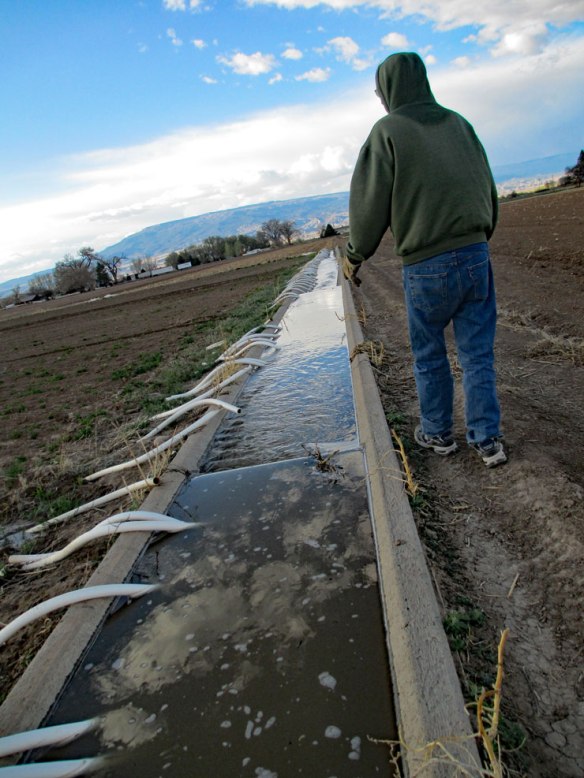
The First Step of the First Step is clean the canal.

Then clean all the ditches.

After that Dad goes out and makes the big ditches

Then he goes back out and makes the waste ditches (smaller ditches)

Then before he plants, he marks out the fields

And then he and Mom BEGIN!

That means they start the water on the farm.

Step One!

TLC Cai-Cai
The Adventures of TLC Cai-Cai on Friday —How it all Begins, Friday, April 15, 2022

It all begins with snow.  Lots and lots of snow.

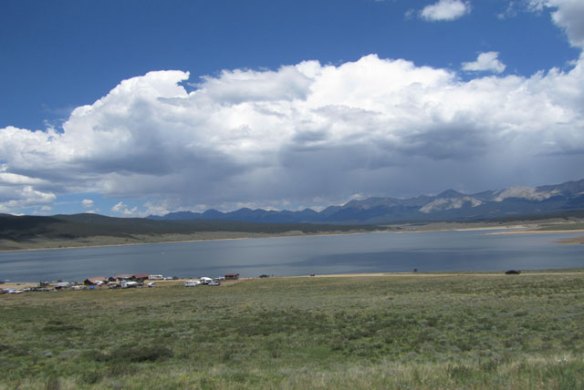
That snow then melts way, way up there in the high, high mountains.  Taylor Park Reservoir is owned and managed by the Uncompahgre Valley Water Users.
(I don’t really know these things, but Mom does, so I’m letting Mom write this for a little bit. TLC Cai-Cai)

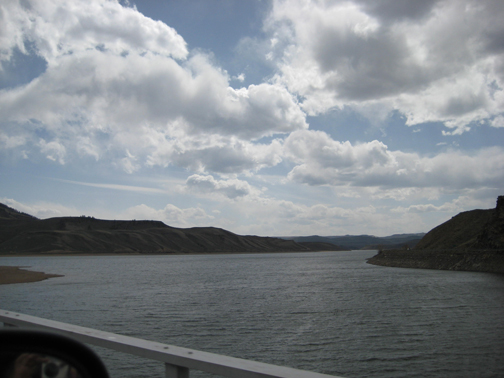
The melted snow, which turns into water, flows all the way down to the Blue Mesa Reservoir whereby it then flows into all the canals, which water all the farms along the way from here to there.

Uncompahgre Valley Water Users has one storage dam, several diversion dams, 128 miles of canals, 438 miles of laterals, and 216 miles of drains.

Now that Mom told you that…I’ll tell you, come to Spring.  The Ditch Riders open the canal so Dad and lots of other farmers can get water onto their farms and start irrigation.

That means my days of catching mice IN the canal are over.

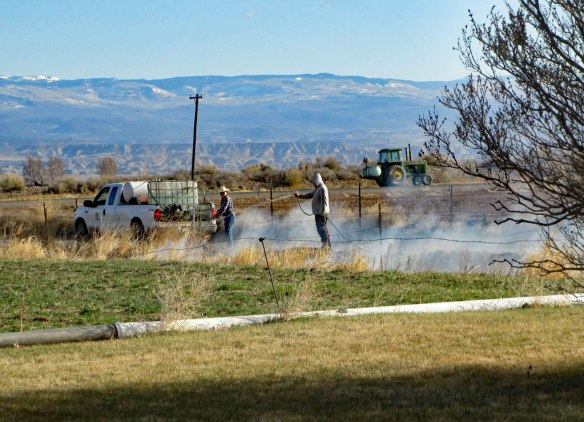
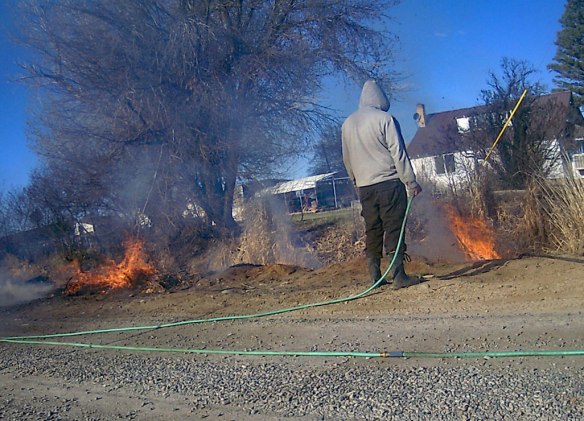
(Ditch riders burning the trash in the ditches)

Water—this is the life-blood and the backbone of the farm

(cleaning out the trash)

(Trash heading to the bridge on a wave of water)

Lots of muscle to keep from flooding

Through the bridge!

A Big Day is the day the canal is open!

TLC Cai-Cai

The Adventures of TLC Cai-Cai on Wednesday —The Back Bone and Life Blood of the Farm, Wednesday, April 13, 2022

The backbone of the farm is not Dad—although, he does put lots of backbone into making the farm what it is.  Nor is it, Mom.  Mom doesn’t make the farm go; she helps Dad make the farm go.  Mom says there is a difference.

The backbone isn’t the land, the land IS the farm.

Nor is it the seeds, fertilizer, or crops.  Those are extensions OF farming.

The backbone isn’t animals with backbones…we all have backbones, so living breathing things don’t count as the farm’s backbone.

The Back Bone and the Life Blood of the Farm is WATER!

It takes Water to make the farm and it takes water to make the farm grow so for this last series of FARMING—We are going to learn all about water on the farm!

TLC Cai-Cai